
Imagine a world where employee training is no longer a monotonous chore, but a dynamic and transformative experience. A world where learning management systems seamlessly automate the process, allowing for enhanced efficiency and personalized learning journeys. This new era of employee training holds the potential to revolutionize the way organizations develop their workforce. But how exactly do automated learning management systems achieve this? Let's explore the key benefits and features that make them a game-changer in the realm of employee training.
Key Takeaways
- Enhanced training efficiency through streamlined and optimized learning experiences
- Increased accessibility and flexibility with 24/7 access, self-paced learning, and mobile compatibility
- Personalized learning experiences tailored to individual needs and preferences
- Real-time progress tracking and automated course enrollment and scheduling for efficient and effective training management
Enhanced Training Efficiency
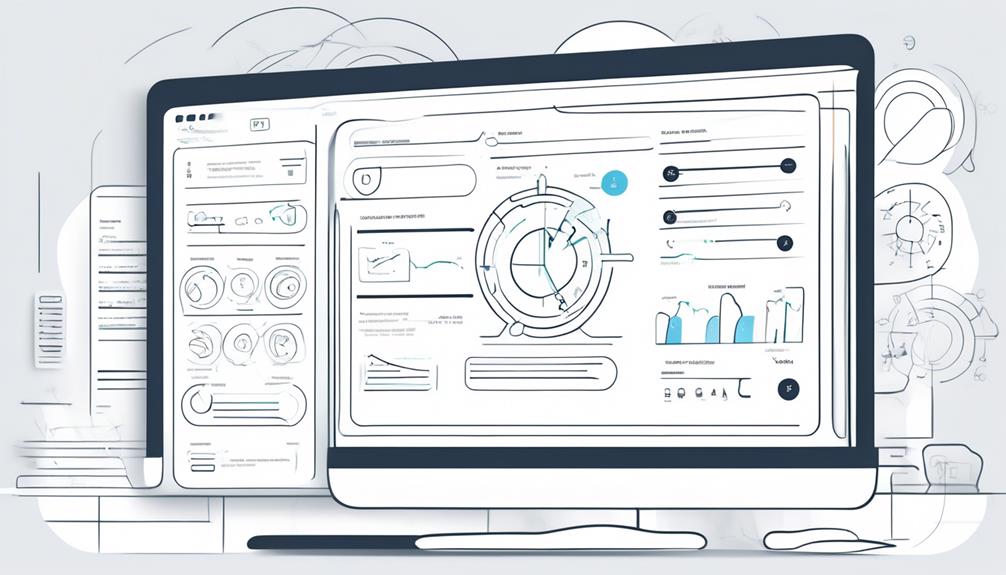
Enhance your training efficiency with automated learning management systems. These systems leverage technology to streamline and optimize the learning experience, resulting in improved learning outcomes. By incorporating adaptive learning techniques, these systems can tailor the training content to the individual needs and preferences of each employee.
With automated learning management systems, you can say goodbye to generic, one-size-fits-all training programs. Instead, employees can access personalized content that is specifically designed to meet their unique learning styles and goals. This adaptive approach not only increases engagement but also enhances retention and knowledge transfer.
Gone are the days of manual tracking and record-keeping. Automated learning management systems allow you to effortlessly monitor employee progress, track completion rates, and generate comprehensive reports. With just a few clicks, you can gain valuable insights into individual and team performance, identify knowledge gaps, and make data-driven decisions to improve training effectiveness.
Furthermore, these systems offer the flexibility to deliver training anytime, anywhere. Whether employees are working remotely or in different time zones, they can access training materials at their convenience. This not only saves time but also ensures consistent learning experiences across the organization.
Accessibility and Flexibility
With automated learning management systems, you can now take advantage of enhanced accessibility and flexibility for employee training. These systems offer a range of benefits that make remote learning and on-demand training more accessible and convenient for your workforce. Here are four ways automated learning management systems provide improved accessibility and flexibility:
- 24/7 Access**: Employees can access training materials anytime, anywhere, allowing them to fit learning into their busy schedules.
- Self-Paced Learning: With on-demand training, employees can learn at their own pace, ensuring they fully understand the material before moving on.
- Mobile Compatibility: Automated learning management systems are mobile-friendly, enabling employees to learn on their smartphones or tablets, making it convenient even on the go.
- Adaptive Learning**: These systems can personalize training content based on employees' performance, ensuring targeted learning experiences tailored to individual needs.
Personalized Learning Experiences

Automated learning management systems offer personalized learning experiences that cater to individual needs and enhance employee training. Through adaptive assessment, these systems can tailor the training content to match the employee's proficiency level, ensuring that they are neither overwhelmed nor bored. This personalized approach allows employees to learn at their own pace, maximizing their understanding and retention of the material.
In addition to adaptive assessment, automated learning management systems also provide individualized feedback. This feedback is generated based on the employee's performance in various training activities and assessments. It highlights areas of improvement and provides targeted suggestions for further development. This personalized feedback helps employees identify their strengths and weaknesses, enabling them to focus on specific areas that require more attention.
Real-time Progress Tracking
As you progress through your personalized learning experience, it is important to have a way to track your progress in real-time. Real-time progress tracking allows you to monitor your performance and ensure that you are on track to meet your goals. Here are some benefits of real-time progress tracking:
- Instant Feedback: With real-time tracking, you receive immediate feedback on your performance, allowing you to make necessary adjustments and improvements.
- Continuous Monitoring: Real-time progress tracking allows for continuous monitoring of your performance, ensuring that you stay on top of your learning journey.
- Goal Alignment: By tracking your progress in real-time, you can easily see if you are aligning with your learning goals and make any necessary adjustments.
- Motivation and Engagement: Real-time progress tracking provides a sense of achievement and motivation as you see yourself making progress towards your goals.
Real-time performance tracking and continuous monitoring are essential components of an automated learning management system. By incorporating these features, you can ensure that you have the tools necessary to track your progress and make the most out of your personalized learning experience. So, embrace the power of real-time tracking and watch yourself excel in your learning journey.
Automated Course Enrollment and Scheduling

Course enrollment and scheduling can be easily managed through automated systems. With a streamlined registration process, employees can quickly sign up for the courses they need without any hassle. The automated system allows for easy access to course catalogs, availability, and prerequisites, ensuring that employees can make informed decisions. No more waiting in long lines or dealing with confusing paperwork!
Not only does automated course enrollment make registration easier, but it also takes care of scheduling. The system can automatically assign employees to the appropriate classes based on their job roles, availability, and skill levels. This eliminates any manual scheduling errors and saves time for both employees and training administrators.
Additionally, automated course reminders can be set up to ensure that employees don't miss any important training sessions. These reminders can be sent via email or through the learning management system itself, keeping employees informed and accountable for their training obligations.
Gamification for Engaging Training
Gamification in training refers to the use of interactive techniques and game-like elements to enhance learner motivation and engagement. By incorporating elements such as points, badges, leaderboards, and rewards, organizations can create a more immersive and enjoyable learning experience. These gamified training programs can help increase learner participation, foster healthy competition, and ultimately improve knowledge retention and application.
Interactive Training Techniques
To create engaging employee training, incorporating interactive techniques such as gamification is crucial. Here are some interactive training techniques that can make your training sessions more effective and enjoyable:
- Virtual Reality Training: Using virtual reality technology, employees can immerse themselves in realistic scenarios and practice their skills in a safe and controlled environment.
- Microlearning Techniques: Break down training content into bite-sized modules that can be easily consumed and retained by employees. This allows for better knowledge retention and application.
- Gamified Assessments: Turn assessments into games by adding points, levels, and rewards. This not only motivates employees to participate actively but also makes the learning experience more enjoyable.
- Collaborative Learning: Encourage employees to learn from each other through group activities, discussions, and problem-solving exercises. This fosters teamwork and helps employees learn from different perspectives.
Enhancing Learner Motivation
Boost learner engagement and motivation by incorporating gamification techniques into your employee training programs. Gamification adds an element of fun and competition to the learning process, making it more engaging and enjoyable for employees. By using game-like elements such as points, levels, and leaderboards, you can create a sense of achievement and encourage healthy competition among learners. This not only enhances learner motivation but also promotes skill development and knowledge retention. Gamification also allows for immediate feedback, allowing learners to track their progress and identify areas where they need improvement. Additionally, incorporating rewards and incentives further motivates employees to actively participate and excel in their training. So, spice up your training programs with gamification and watch as learner engagement and skill development soar to new heights. Happy gaming!
Seamless Content Management

Seamless content management streamlines the organization and accessibility of training materials within automated learning management systems for optimal employee learning. With the help of this feature, you can easily integrate various types of content into your training programs, enhancing their effectiveness. Here are four benefits of seamless content management:
- Effortless organization: The automated learning management system allows you to categorize and tag training materials, making it easy to find and access them whenever needed. No more endless searches for that one specific document or video!
- Version control: With seamless content management, you can easily update and maintain different versions of training materials. This ensures that employees are always accessing the most up-to-date information, improving their learning experience.
- Centralized repository: All training materials are stored in a centralized location, eliminating the need for multiple file storage systems. This not only saves time but also ensures that everyone is accessing the same accurate information.
- Accessibility on any device: Seamless content management allows employees to access training materials on any device, whether it's a computer, tablet, or smartphone. This flexibility ensures that learning can happen anytime, anywhere.
Collaborative Learning Opportunities
With the organization and accessibility of training materials streamlined through seamless content management, employees can now engage in collaborative learning opportunities. This opens up a world of possibilities for peer learning and knowledge sharing within your organization. Imagine the power of employees coming together, sharing their expertise, and learning from each other's experiences. The benefits are immense – not only does it foster a sense of camaraderie and teamwork, but it also enhances the overall knowledge base of your workforce.
To help you visualize the potential impact of collaborative learning, here's a table showcasing the advantages it brings:
| Benefits of Collaborative Learning | Emotional Response |
|---|---|
| Increased employee engagement | Excitement |
| Enhanced problem-solving skills | Confidence |
| Improved communication | Connection |
Data-driven Training Analysis and Insights
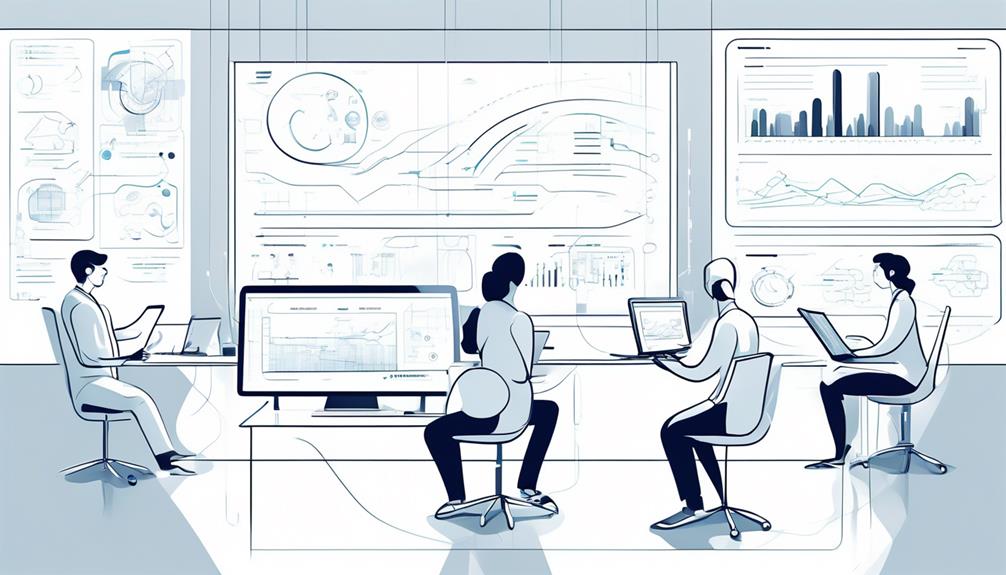
To optimize employee training and maximize learning outcomes, organizations can leverage data-driven analysis and insights. By conducting data-driven training evaluation and training effectiveness analysis, organizations can gain valuable insights into the effectiveness of their training programs. Here are four key benefits of using data-driven analysis and insights in employee training:
- Identifying knowledge gaps: Data analysis can help identify areas where employees may be struggling or lacking knowledge. This allows organizations to tailor their training programs to address these gaps and improve overall learning outcomes.
- Measuring training effectiveness: By analyzing data on employee performance before and after training, organizations can determine the effectiveness of their training programs. This helps in identifying areas of improvement and making necessary adjustments to enhance training outcomes.
- Tracking employee engagement: Data-driven analysis can provide insights into employee engagement with the training materials. This helps organizations understand which content is most effective and engaging for employees, allowing them to optimize training materials accordingly.
- Making informed decisions: Data-driven insights enable organizations to make informed decisions about training strategies and resource allocation. By analyzing data on training effectiveness and employee performance, organizations can identify areas of strength and weakness and make data-driven decisions to improve training outcomes.
Incorporating data-driven analysis and insights into employee training can lead to more effective and efficient training programs, ultimately enhancing employee performance and driving organizational success.
Frequently Asked Questions
How Does an Automated Learning Management System Enhance Training Efficiency?
An automated learning management system enhances training efficiency by improving training effectiveness and increasing employee engagement. With automated systems, you can streamline processes, track progress, and deliver personalized learning experiences, making training more efficient and effective.
What Are the Benefits of Using an Automated Learning Management System for Personalized Learning Experiences?
Using an automated learning management system for personalized learning benefits you by providing tailored training experiences. It enhances efficiency by automating tasks, tracking progress, and delivering content that meets your specific needs and interests.
Can Real-Time Progress Tracking in an Automated Learning Management System Help Identify Areas of Improvement for Employees?
Real-time progress tracking in an automated learning management system can help you identify areas of improvement. It provides valuable insights into your performance, allowing you to focus on areas that need development for personal and professional growth.
How Does Automated Course Enrollment and Scheduling Benefit Both Employees and Trainers?
Automated course enrollment streamlines the training process by saving time and improving organization. Scheduling benefits both employees and trainers, allowing for improved time management and ensuring courses are efficiently planned.
What Are the Advantages of Incorporating Gamification Into Employee Training Through an Automated Learning Management System?
Incorporating gamification into your employee training through an automated learning management system has numerous advantages. Engaging training techniques increase motivation, boost knowledge retention, and create a fun and interactive learning experience.