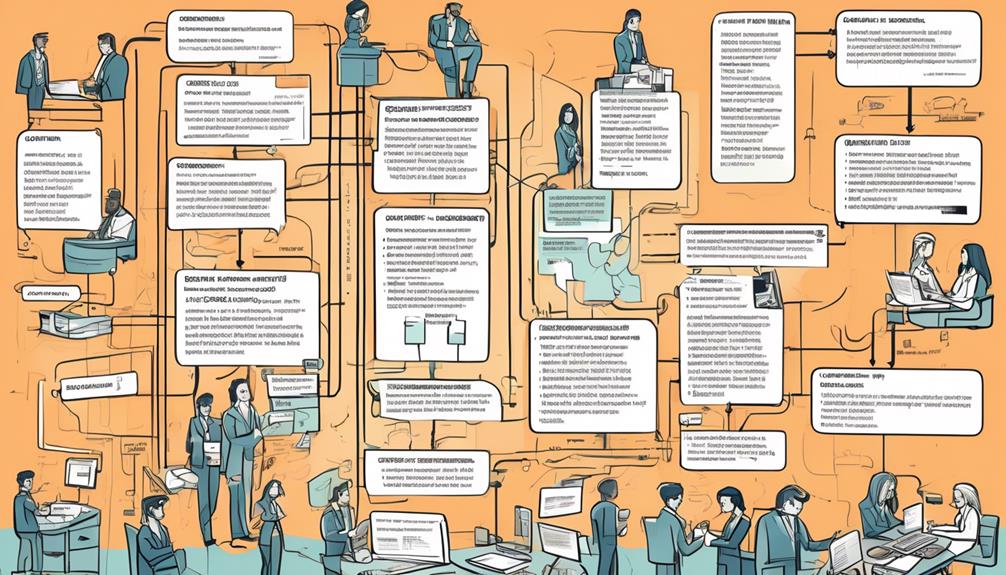
Have you ever considered the impact of a smooth employee offboarding process on your organization? While often overlooked, automating the offboarding process can greatly enhance efficiency and ensure a seamless transition when employees leave your company. However, manual offboarding processes can present numerous challenges that may hinder productivity and leave room for errors. In this discussion, we will explore the benefits of automating employee offboarding, the key components of an automated offboarding system, and best practices for implementing a streamlined process. Stay tuned to discover how automating this crucial aspect of HR management can revolutionize your offboarding experience.
Key Takeaways
- Automating employee offboarding saves time and effort, leading to significant cost savings.
- Implementing an automated offboarding process improves compliance with policies and legal requirements, reducing the risk of compliance violations and data breaches.
- An automated offboarding system ensures a more efficient and accurate offboarding experience through checklist and workflow automation, documentation and data management, communication and notification tools, and reporting and analytics.
- Best practices for implementing an automated offboarding process include streamlining procedures, utilizing digital documentation, revoking access to company systems seamlessly, maintaining a centralized database of employee information, and utilizing a tracking system to monitor progress.
Importance of Employee Offboarding
Employee offboarding is a critical process that ensures a smooth transition for departing employees while protecting the organization's assets and maintaining productivity. Effective communication during offboarding plays a crucial role in achieving these objectives. It allows for a seamless transfer of knowledge and ensures that the departing employee's expertise and insights are not lost.
To enhance communication during offboarding, organizations can adopt various strategies. First and foremost, open and transparent dialogue should be encouraged between the departing employee and their team members. This can be facilitated through team meetings, one-on-one discussions, or even virtual platforms. By fostering an environment of open communication, valuable information can be shared, questions can be addressed, and concerns can be mitigated.
Another strategy is to document critical knowledge and procedures. This can be done through the creation of detailed manuals, guidelines, or job aids. By documenting the departing employee's knowledge and expertise, it becomes easier for their successors to understand and continue their work without disruption.
Furthermore, organizations can consider conducting formal knowledge transfer sessions. These sessions can involve the departing employee sharing their insights, experiences, and best practices with their colleagues. By capturing this valuable information, organizations can ensure a smooth transition and minimize the impact of the departing employee's departure.
Challenges With Manual Offboarding Processes
One of the challenges with manual offboarding processes is the potential for inefficiency and errors. When offboarding an employee, there are several tasks that need to be completed, such as revoking access to company systems, collecting company property, and communicating the departure to relevant stakeholders. With a manual process, these tasks can easily become disorganized and time-consuming.
Communication is a key aspect of offboarding, and manual processes can introduce challenges in effectively communicating the departure to all necessary parties. Without a streamlined system in place, it's easy for important information to be missed or delayed, leading to confusion among colleagues and potentially damaging relationships with clients or partners.
Additionally, manual offboarding processes can be prone to errors. Human error is inevitable, and without automated checks and balances, mistakes can occur when collecting and updating employee information, resulting in incomplete or inaccurate records. These errors can have long-lasting consequences, such as compliance issues or difficulties in future reference checks.
Benefits of Automating Employee Offboarding

By automating the offboarding process, organizations can eliminate the inefficiencies and errors associated with manual offboarding, allowing for a smoother transition when employees depart. Not only does automation save time and effort, but it also brings significant cost savings to the table. With manual offboarding, there are often hidden costs involved, such as the time spent on paperwork, data entry, and the risk of errors leading to potential legal issues. By automating the process, you can reduce these costs and ensure a more efficient and accurate offboarding experience.
Moreover, automation greatly improves compliance with company policies and legal requirements. Offboarding involves numerous tasks, such as revoking access to systems, collecting company property, and ensuring the return of sensitive information. These tasks can be easily overlooked or mishandled without a standardized process in place. By automating the offboarding workflow, you can ensure that every step is followed consistently, reducing the risk of compliance violations and potential data breaches.
Key Components of an Automated Offboarding System
An automated offboarding system consists of several key components that streamline the process of transitioning employees out of the organization. To ensure a smooth exit process, it is important to have the following components in place:
- Checklist and Workflow Automation: Implementing an offboarding checklist and automating the workflow ensures that all necessary tasks, such as collecting company property and revoking access, are completed in a timely manner. This reduces the chances of oversight and ensures a consistent offboarding experience for every employee.
- Documentation and Data Management: An automated offboarding system simplifies the management of employee documents and data, making it easier to store, organize, and access information during the offboarding process. This not only saves time but also reduces the risk of losing important documentation.
- Communication and Notification Tools: A key component of an automated offboarding system is the ability to send automated notifications to relevant stakeholders, such as HR, IT, and managers. This ensures that everyone is informed about the offboarding process and can take necessary actions promptly.
- Reporting and Analytics: An automated offboarding system provides insights and analytics on the offboarding process, allowing organizations to identify trends, areas for improvement, and potential risks. This data-driven approach enables organizations to continuously refine their offboarding processes and enhance the overall employee experience.
Best Practices for Implementing an Automated Offboarding Process

When implementing an automated offboarding process, there are several best practices to consider. Firstly, streamlining offboarding procedures can help ensure a smooth and efficient transition for departing employees. Secondly, implementing efficient digital documentation allows for easy access to important records and information, reducing the risk of errors or oversights. Finally, seamlessly revoking access to company systems and accounts is crucial for safeguarding sensitive data and protecting the organization's security. By following these best practices, organizations can effectively automate their offboarding process and optimize efficiency.
Streamlined Offboarding Procedures
Implementing an automated offboarding process can greatly enhance efficiency and streamline the departure of employees from your organization. Here are some best practices for implementing an automated offboarding process:
- Centralize Information: Maintain a centralized database to store all employee information, ensuring easy access and retrieval during the offboarding process.
- Standardize Procedures: Establish standardized procedures for offboarding, including checklists and templates, to ensure consistency and reduce errors.
- Automate Notifications: Automate email notifications to relevant departments and stakeholders, such as IT and HR, to ensure a smooth transition and timely completion of tasks.
- Track Progress: Utilize a tracking system to monitor the progress of offboarding tasks, allowing for timely follow-ups and minimizing delays.
Efficient Digital Documentation
To ensure efficient digital documentation during the automated offboarding process, consider these best practices. Embracing digital offboarding solutions and implementing paperless exit procedures can streamline the documentation process and save time and resources. First, invest in a robust offboarding software that allows for seamless digital documentation and storage. This will eliminate the need for physical paperwork and reduce the risk of lost or misplaced documents. Second, establish clear guidelines for employees regarding the digital documentation process. Provide training and support to ensure that employees understand how to properly handle and store digital documents. Third, regularly back up all digital documentation to prevent data loss. By following these best practices, you can ensure that your offboarding process is efficient, organized, and paper-free.
Seamless Access Revocation
To continue streamlining the automated offboarding process, it is essential to ensure seamless access revocation for departing employees. This step is crucial for maintaining the security and integrity of your company's information systems. By implementing effective access management practices and utilizing offboarding software, you can simplify and automate the process of revoking access privileges. Here are some best practices to consider:
- Perform a comprehensive access audit to identify all the systems and applications that the departing employee has access to.
- Utilize automated workflows to revoke access across all systems simultaneously, ensuring a consistent and efficient process.
- Implement role-based access control to easily manage access permissions for different employee roles and ensure that access is revoked promptly when an employee leaves.
- Regularly review and update access management policies to stay current with changing roles and responsibilities.
Ensuring Data Security During the Offboarding Process
During the offboarding process, it is crucial to prioritize data security to protect sensitive information and mitigate potential risks. Ensuring data privacy and legal compliance should be at the forefront of your offboarding strategy. When an employee leaves your organization, it's essential to take the necessary steps to securely handle their data.
Start by conducting a comprehensive inventory of the departing employee's data. Identify all the systems, applications, and platforms that contain their information. This will help you determine the appropriate actions needed to secure their data during the offboarding process. Implement access revocation promptly to prevent unauthorized access to sensitive information.
Consider leveraging automated offboarding tools that can streamline the process while maintaining data security. These tools can assist in removing access privileges, deactivating accounts, and securely transferring files. By automating these tasks, you reduce the risk of human error and ensure a consistent and thorough data security process.
Additionally, educate your employees about data security best practices during offboarding. Raise awareness about the importance of protecting sensitive information and the potential consequences of mishandling data. Encourage employees to report any suspicious activities or potential data breaches promptly.
Measuring the Success of an Automated Offboarding System
How can you determine the effectiveness of an automated offboarding system? Measuring the success of an automated offboarding system is crucial in order to ensure its efficiency and identify areas for improvement. Here are some key offboarding metrics to consider:
- Time saved: Calculate the amount of time saved by automating the offboarding process compared to manual methods. This metric will help you gauge the system's efficiency and productivity.
- Error reduction: Measure the number of errors or discrepancies that occurred during the offboarding process. A successful automated system should significantly reduce these errors, improving accuracy and compliance.
- User satisfaction: Conduct surveys or gather feedback from employees who have gone through the offboarding process. Their satisfaction levels will provide valuable insights into the system's usability and effectiveness.
- Cost analysis: Evaluate the cost savings achieved by implementing an automated offboarding system. Consider factors such as reduced manual labor, decreased risk of legal issues, and streamlined processes.
Frequently Asked Questions
How Can Automating Employee Offboarding Improve the Overall Efficiency of the HR Department?
Automating employee offboarding can boost HR department efficiency by improving productivity and reducing errors. Streamlining the exit process with technology allows for a smoother transition, freeing up time for other important tasks.
Are There Any Legal Implications or Compliance Considerations When Implementing an Automated Offboarding System?
When implementing an automated offboarding system, you must consider legal implications and compliance considerations. It's important to ensure that the system adheres to all relevant laws and regulations to avoid any potential legal troubles.
What Are Some Common Obstacles That Organizations Face When Transitioning From Manual to Automated Offboarding Processes?
Transitioning from manual to automated offboarding processes can present challenges and hurdles for organizations. Implementing new systems, training employees, and ensuring a smooth transition are all common obstacles that you may face during this process.
Can an Automated Offboarding System Help Streamline the Knowledge Transfer Process Between Outgoing and Incoming Employees?
Yes, an automated offboarding system can streamline the knowledge transfer process between outgoing and incoming employees, improving knowledge transfer efficiency and simplifying employee transition management. It's a win-win for everyone involved.
How Can an Automated Offboarding System Help Maintain Positive Relationships With Departing Employees and Preserve the Company's Reputation?
An automated offboarding system helps you maintain positive relationships with departing employees and preserve your company's reputation. It streamlines the exit process, ensuring a smooth transition and efficient knowledge transfer.