
Imagine your small business as a ship navigating through a vast sea of customers. In order to chart the most successful course, you need a compass that can guide you towards personalized customer experiences. Data analytics is the key that unlocks this compass, allowing you to uncover valuable insights and tailor your offerings to meet the unique needs and preferences of each individual customer. But how exactly can data analytics help you achieve this? And what steps can you take to implement it effectively in your SME? Join us on this journey as we explore the power of personalization through data analytics, and discover how it can revolutionize your customer experiences.
Key Takeaways
- Data analytics tools enable SMEs to understand customer behavior and preferences, leading to targeted marketing campaigns and relevant customer service.
- Customer segmentation based on demographics and preferences allows SMEs to tailor products, services, and marketing efforts to each group, maximizing return on investment.
- Personalized product recommendations and customized marketing campaigns enhance the shopping experience, increase sales, and foster customer relationships.
- Data-driven insights and analysis of customer data are crucial for measuring and optimizing the customer experience, driving business growth through improved satisfaction and loyalty.
Understanding Customer Data
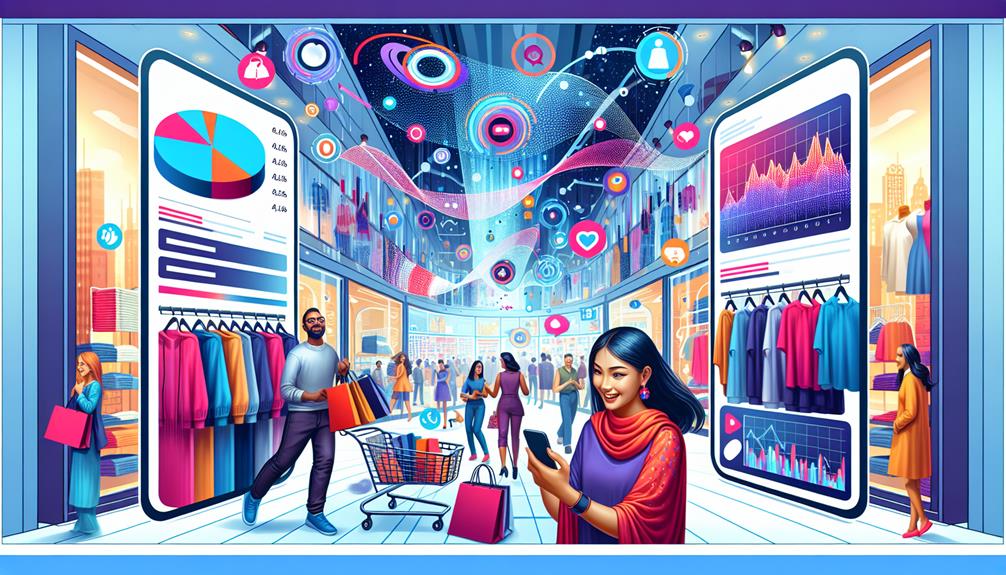
To effectively personalize customer experiences, it is crucial for SMEs to have a deep understanding of their customer data. By analyzing customer behavior and effectively managing customer data, SMEs can gain valuable insights that will enable them to tailor their products and services to meet the specific needs and preferences of their customers.
Customer behavior analysis involves examining patterns and trends in customer interactions, such as their browsing history, purchase behavior, and social media engagement. This analysis provides valuable information about what products or services customers are interested in, their preferred communication channels, and their overall satisfaction levels. Armed with this knowledge, SMEs can create targeted marketing campaigns, offer personalized recommendations, and provide more relevant and timely customer service.
In order to effectively analyze customer behavior, SMEs must have a robust customer data management system in place. This involves collecting and organizing customer data from various sources, such as CRM systems, website analytics tools, and social media platforms. It also requires ensuring the accuracy and integrity of the data, as well as complying with privacy regulations and security measures.
Leveraging Data Analytics Tools
Now that you have a deep understanding of your customer data, it's time to leverage data analytics tools to gain actionable insights. By harnessing the power of these tools, you can make data-driven decisions and predict customer behavior more accurately. Here are four ways you can leverage data analytics tools to enhance your SME's customer experiences:
- Identify patterns and trends: Use data analytics tools to analyze large volumes of customer data and identify patterns and trends that may not be apparent at first glance. This will enable you to understand your customers' preferences and anticipate their needs.
- Segment your customer base: Data analytics tools can help you segment your customer base based on various criteria such as demographics, purchasing behavior, and preferences. This allows you to personalize your marketing campaigns and offer tailored experiences to different customer segments.
- Predict future customer behavior: Predictive analytics is a powerful tool that can help you anticipate customer behavior based on historical data. By leveraging predictive analytics, you can make more accurate forecasts and plan your resources accordingly.
- Optimize marketing strategies: Data analytics tools can help you measure the effectiveness of your marketing strategies and campaigns. By analyzing data on customer response and engagement, you can optimize your marketing efforts and allocate resources more effectively.
Identifying Customer Segments
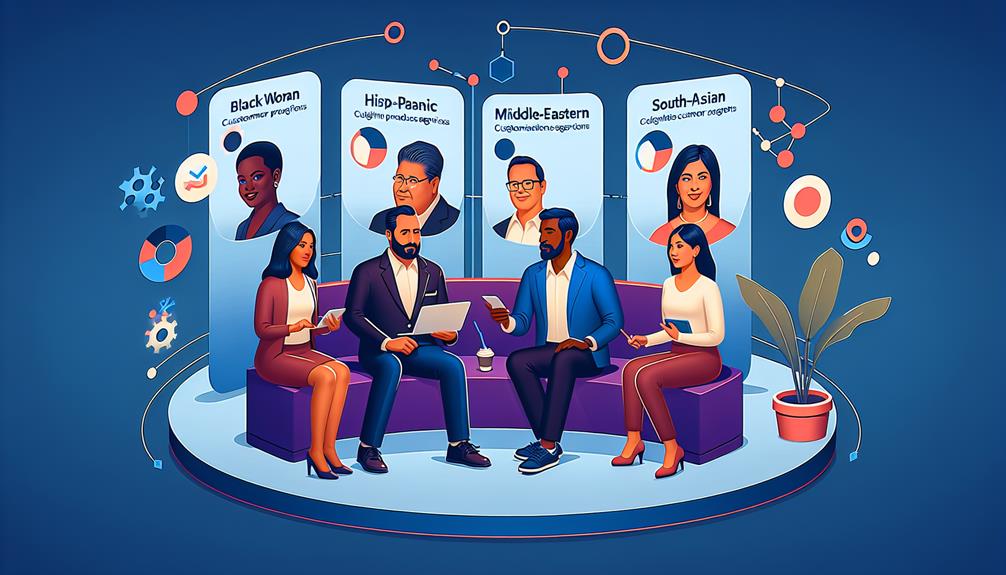
One effective way to enhance your SME's customer experiences is by identifying customer segments through data analytics tools. Customer segmentation involves dividing your customer base into groups based on common characteristics such as demographics, behaviors, preferences, or purchasing patterns. By understanding the distinct needs and preferences of different customer segments, you can tailor your products, services, and marketing efforts to better serve each group.
Data analytics tools can help you analyze large volumes of customer data to identify meaningful patterns and insights. With the help of customer profiling, you can gain a deep understanding of who your customers are, what they want, and how they interact with your business. By segmenting your customers, you can create targeted marketing campaigns, personalized offers, and customized experiences that resonate with each group.
Customer segmentation allows you to prioritize your resources and allocate them more efficiently. By focusing on the most profitable segments, you can maximize your return on investment and enhance customer satisfaction. Additionally, customer segmentation enables you to identify untapped market opportunities and develop new products or services tailored to specific customer needs.
Personalizing Product Recommendations
When it comes to personalizing product recommendations, data analytics can offer you tailored product suggestions based on individual customer preferences. By analyzing customer behavior and purchase history, you can generate customized recommendations that align with their specific interests and needs. This personalized approach can enhance the customer experience and increase the likelihood of making personalized buying suggestions that result in higher conversion rates.
Tailored Product Suggestions
To enhance customer satisfaction and increase sales, SMEs can employ data analytics to personalize product recommendations. By leveraging customer data, businesses can provide a tailored shopping experience that resonates with individual preferences and needs. Here are some ways data analytics can be used to offer personalized product suggestions:
- Analyzing past purchase history: By analyzing customer purchase history, SMEs can identify patterns and preferences, enabling them to recommend products that align with customers' interests.
- Utilizing browsing behavior: Tracking customer browsing behavior allows businesses to understand what products customers are interested in. This data can be used to suggest similar or complementary items, increasing the chances of conversion.
- Incorporating demographic information: By considering demographic factors such as age, gender, and location, SMEs can tailor product recommendations to specific customer segments, making the suggestions more relevant and appealing.
- Implementing predictive analytics: Predictive analytics can be used to anticipate future customer needs and preferences. By analyzing data such as browsing history and purchase patterns, SMEs can proactively recommend products that customers are likely to be interested in.
With these strategies, SMEs can create personalized marketing campaigns and deliver tailored product suggestions that cater to individual customer preferences, leading to increased customer satisfaction and improved sales.
Customized Recommendations
Enhance your customers' shopping experience and increase sales by personalizing product recommendations through data analytics. By utilizing data analytics, you can offer individualized suggestions and personalized offers to your customers, tailoring their shopping experience to their unique preferences and needs. This level of customization allows you to provide a more personalized and relevant shopping experience, leading to increased customer satisfaction and loyalty. With data analytics, you can analyze customer behavior, purchase history, and preferences to identify patterns and trends. This valuable information enables you to make data-driven decisions and offer targeted recommendations that resonate with each customer. By providing personalized offers and recommendations, you can not only increase sales but also foster long-term customer relationships and drive customer engagement. So, leverage the power of data analytics to deliver customized recommendations that will enhance your customers' shopping experience and boost your bottom line.
Personalized Buying Suggestions
Increase customer satisfaction and drive sales by personalizing product recommendations through data analytics. By leveraging AI-driven recommendations, you can provide your customers with a personalized shopping experience that caters to their unique preferences and needs. Here are four ways in which personalized buying suggestions can benefit your business:
- Increased customer engagement: By offering personalized recommendations based on customer data, you can capture their attention and keep them engaged with your products.
- Improved customer loyalty: Personalized suggestions show that you understand your customers' preferences, fostering a sense of loyalty and trust.
- Higher conversion rates: When customers receive tailored recommendations, they are more likely to make a purchase, leading to higher conversion rates.
- Enhanced customer satisfaction: By providing relevant suggestions, you enhance the overall shopping experience, making customers feel valued and satisfied with their purchases.
Investing in data analytics to personalize product recommendations can greatly impact your business, helping you build stronger relationships with your customers and ultimately driving sales.
Customizing Marketing Campaigns
By leveraging data analytics, small and medium-sized enterprises (SMEs) can tailor their marketing campaigns to better meet the unique needs and preferences of their customers. Customizing messaging strategies and individualizing customer communications are key components of this process. With the help of data analytics, SMEs can gather valuable insights about their customers, such as their demographics, purchase history, and browsing behavior. This information allows businesses to segment their customer base and create targeted marketing campaigns that resonate with each segment.
For example, if an SME operates in the fashion industry and has identified a segment of customers who are interested in sustainable fashion, they can customize their marketing campaign to highlight their eco-friendly practices and products. By personalizing the messaging and content, they can effectively engage with this segment and increase their chances of conversion.
Data analytics also enables SMEs to track the performance of their marketing campaigns in real-time. By analyzing key metrics such as click-through rates, conversion rates, and customer engagement, businesses can make data-driven decisions to optimize their campaigns and improve their overall marketing effectiveness.
Measuring and Optimizing Customer Experience
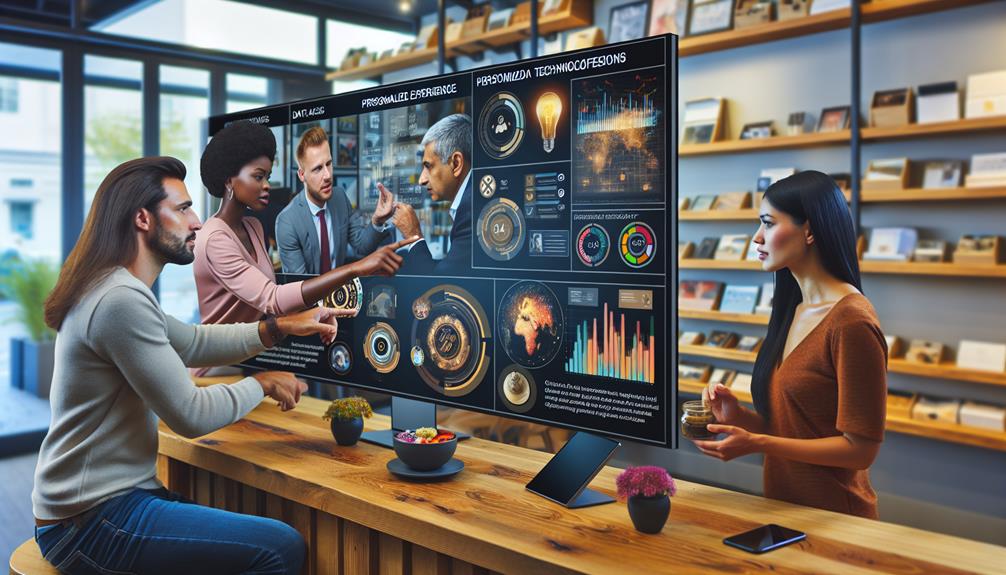
To measure and optimize customer experience, data-driven insights are crucial in understanding your customers' needs and preferences. By analyzing customer data, you can gain valuable insights into their behaviors, preferences, and pain points, enabling you to enhance their interactions with your business. Utilizing this data allows you to make data-backed decisions that improve customer satisfaction and loyalty, ultimately driving business growth.
Data-Driven Insights for CX
Understanding your customers' experience is crucial for the success of your business, and data-driven insights can provide valuable information to measure and optimize it. By utilizing data-driven decision making and conducting customer behavior analysis, you can gain valuable insights into how your customers interact with your business. Here are some ways data analytics can help you measure and optimize customer experience:
- Identify customer pain points and areas for improvement
- Track customer satisfaction and loyalty metrics
- Personalize customer interactions based on their preferences and behavior
- Analyze customer feedback and sentiment to understand their needs and expectations
Enhancing Customer Interactions
Using data analytics can enhance customer interactions and optimize their experience with your business. By analyzing customer data, you can gain valuable insights into their preferences, behaviors, and needs. This knowledge allows you to tailor your interactions to meet their specific expectations, improving customer satisfaction. For example, you can personalize your marketing campaigns based on customers' past purchases or browsing history, ensuring that you provide relevant and engaging content. Additionally, data analytics can help you identify areas where customer interactions can be further optimized, such as streamlining the checkout process or implementing live chat support. By continuously monitoring and analyzing customer data, you can make data-driven decisions that enhance the overall customer experience, ultimately increasing customer loyalty and fostering long-term relationships with your customers.
Frequently Asked Questions
How Can SMEs Collect and Store Customer Data to Improve Their Personalized Customer Experiences?
To improve your personalized customer experiences, start by collecting customer insights. Use data analytics to gather and store valuable information about your customers. This will help you tailor your offerings and create a more engaging customer journey.
What Are Some Commonly Used Data Analytics Tools That SMEs Can Utilize to Analyze Their Customer Data?
To analyze your customer data effectively, use data analytics tools like Google Analytics, Kissmetrics, or Mixpanel. These tools can help you collect and store customer data, allowing you to personalize experiences and make informed business decisions.
How Can SMEs Effectively Identify and Segment Their Customer Base to Tailor Their Marketing Efforts?
To effectively tailor your marketing efforts, start by identifying customer segments through customer profiling. Use data analytics tools to analyze customer data and gain insights that allow you to personalize the customer experience.
What Strategies Can SMEs Employ to Personalize Product Recommendations Based on Customer Data and Preferences?
To personalize product recommendations based on customer data and preferences, SMEs can employ various strategies. By collecting and analyzing customer data, you can gain insights to tailor recommendations, ensuring a more personalized and satisfying experience for your customers.
How Can SMEs Measure and Optimize the Overall Customer Experience Using Data Analytics?
To measure customer satisfaction and optimize interactions, you can use data analytics. Analyze customer feedback, track engagement metrics, and identify pain points. Then, make informed decisions to improve the overall customer experience and drive business growth.