
You might be thinking that automating time tracking sounds like a complicated and time-consuming process. However, when it comes to efficient workforce management, implementing automated time tracking solutions can actually save you time and improve productivity. With the right time tracking software, biometric time clocks, mobile apps, and integrations with payroll systems, you can streamline your time tracking process and gain real-time insights into your workforce. But how exactly do these solutions work and what are the best practices for implementation? Let's explore the benefits and strategies in more detail.
Key Takeaways
- Automated time tracking eliminates manual timekeeping and reduces human error, improving accuracy.
- Time tracking software solutions offer benefits such as increased accuracy, efficiency, and integration with payroll systems.
- Automation maximizes efficiency and accuracy in tracking employee work hours, eliminates manual scheduling, and provides real-time visibility into employee activities.
- Biometric time clocks and mobile time tracking apps provide convenient and efficient solutions, ensuring accurate time tracking, enhancing productivity, and streamlining processes.
Benefits of Automated Time Tracking

Automated time tracking offers numerous benefits to businesses, streamlining processes and improving efficiency. By implementing automated time tracking systems, businesses can experience increased productivity and improved accuracy.
Firstly, automated time tracking eliminates the need for manual timekeeping, reducing human error and improving accuracy. With traditional time tracking methods, there is always a possibility of mistakes, such as employees forgetting to clock in or out. However, automated systems ensure that every minute of work is accurately recorded, leaving no room for discrepancies.
Additionally, automated time tracking enhances productivity by reducing time spent on administrative tasks. With manual time tracking, employees need to manually record their hours and submit timesheets, which can be time-consuming and prone to errors. Automated systems streamline this process by automatically recording and organizing the data, freeing up valuable time for employees to focus on their core tasks.
Furthermore, automated time tracking allows for real-time tracking and reporting. Managers can easily monitor employee attendance and track project hours, providing valuable insights for decision-making. This instant access to data enables businesses to make informed decisions promptly, ultimately enhancing productivity and efficiency.
Time Tracking Software Solutions
When considering time tracking software solutions for your workforce management needs, there are several key points to keep in mind. The first is the benefits of automation, such as increased accuracy and efficiency in tracking employee hours. Secondly, it is important to consider the features offered by the software, such as mobile access, GPS tracking, and reporting capabilities. Lastly, integration with payroll systems is a crucial aspect to ensure seamless processing of employee wages.
Benefits of Automation
Maximize efficiency and accuracy in tracking employee work hours with the implementation of time tracking software solutions. By automating scheduling and tracking, you can streamline your workforce management processes and boost employee productivity. With automated scheduling, you can easily assign shifts, manage time-off requests, and ensure adequate coverage for all tasks. This eliminates the need for manual scheduling, saving you time and reducing the likelihood of errors. Time tracking software also allows employees to record their hours accurately, minimizing discrepancies and ensuring fair compensation. Additionally, automation provides real-time visibility into employee activities, enabling you to identify bottlenecks and inefficiencies in your operations. By optimizing your workforce management practices through automation, you can enhance productivity, improve employee satisfaction, and drive better business outcomes.
Features to Consider
With the implementation of time tracking software solutions, you can further optimize your workforce management processes by considering the key features that cater to your specific needs. When choosing a time tracking software, it is crucial to prioritize features that boost employee productivity and ensure data security. To help you make an informed decision, here are some essential features to consider:
| Feature | Description |
|---|---|
| Mobile Access | Allow employees to track time on-the-go using their smartphones or tablets. |
| Reporting | Generate detailed reports to analyze employee productivity and identify areas for improvement. |
| Data Encryption | Ensure data security by using encryption protocols to protect sensitive information. |
Integration With Payroll
Integration with payroll is a crucial feature of time tracking software solutions. It's like having a smooth dance routine between your time tracking and payroll management systems. Here are three reasons why this integration is a game-changer:
- Effortless Accuracy: No more manual entry or double-checking. The integration ensures that all the hours worked are accurately transferred to the payroll system, eliminating any potential errors.
- Streamlined Process: Say goodbye to the days of wasting time on manual calculations. With time tracking integration, the data seamlessly flows from the time tracking software to the payroll system, making the process quick and painless.
- Happy Employees: When payroll management becomes a breeze, your employees will thank you. Accurate and timely paychecks will boost morale and keep everyone satisfied.
Biometric Time Clocks
Biometric time clocks offer numerous benefits for workforce management. With biometrics, you can eliminate buddy punching and ensure accurate and reliable time tracking. However, implementing biometric time clocks requires careful consideration of factors such as privacy concerns, system compatibility, and user acceptance.
Benefits of Biometrics
Using biometric time clocks can provide numerous benefits for workforce management. With the advancements in biometric technology, the security and accuracy of biometrics have greatly improved, making them a reliable solution for time tracking. Here are some of the benefits you can enjoy:
- Enhanced Security: Biometric time clocks use unique physiological or behavioral characteristics, such as fingerprints or facial recognition, ensuring that only authorized employees can clock in and out.
- Elimination of Buddy Punching: Biometrics eliminate the possibility of employees clocking in for each other, reducing time theft and increasing payroll accuracy.
- Streamlined Processes: Biometric time clocks automate the time tracking process, eliminating the need for manual data entry and reducing administrative tasks.
Implementation Considerations
To successfully implement biometric time clocks for your workforce management system, careful consideration of certain factors is crucial. One of the implementation challenges you may face is ensuring that the biometric time clocks are compatible with your existing infrastructure. This may involve integrating the clocks with your existing software or network, which may require additional technical expertise. Another consideration is the training requirements for your employees. While biometric time clocks are designed to be user-friendly, providing thorough training sessions can help minimize any confusion or resistance from your workforce. Additionally, it is important to address any concerns or anxieties your employees may have about the implementation of biometric time clocks. By addressing these challenges and providing comprehensive training, you can successfully implement biometric time clocks in your workforce management system.
Mobile Time Tracking Apps

Mobile time tracking apps provide a convenient and efficient solution for managing workforce time tracking on the go. These apps not only enhance mobile time tracking efficiency but also improve mobile time tracking accuracy. Here are three ways mobile time tracking apps can benefit you:
- Real-time tracking: With mobile time tracking apps, you can track your work hours in real-time, ensuring accurate records and avoiding any discrepancies. No more relying on memory or manual time entry!
- Location-based tracking: Many mobile time tracking apps use GPS technology to track your location while you work. This feature ensures that you are on-site and working when you clock in, eliminating any doubts about your presence.
- Seamless integration: Mobile time tracking apps can seamlessly integrate with other software and tools you use, such as project management or payroll systems. This integration saves you time and effort by automatically syncing your time tracking data, reducing the chances of errors.
Integrations With Payroll Systems
When it comes to managing workforce time tracking and streamlining processes, integrating mobile time tracking apps with payroll systems offers a seamless solution. By connecting these two systems, you can eliminate manual data entry and reduce the risk of errors in calculating employee wages. However, integrating payroll systems with mobile time tracking apps may come with its own set of challenges. Let's take a look at some of these challenges and how they can be overcome:
| Payroll Integration Challenges | Solutions |
|---|---|
| Compatibility issues | Ensure that the mobile time tracking app is compatible with your payroll system. If not, consider using a third-party integration tool. |
| Data synchronization | Set up automatic data synchronization between the time tracking app and the payroll system to ensure accurate and up-to-date information. |
| Security and privacy concerns | Implement robust security measures and ensure compliance with data protection regulations to safeguard sensitive employee information. |
Real-Time Reporting and Analytics
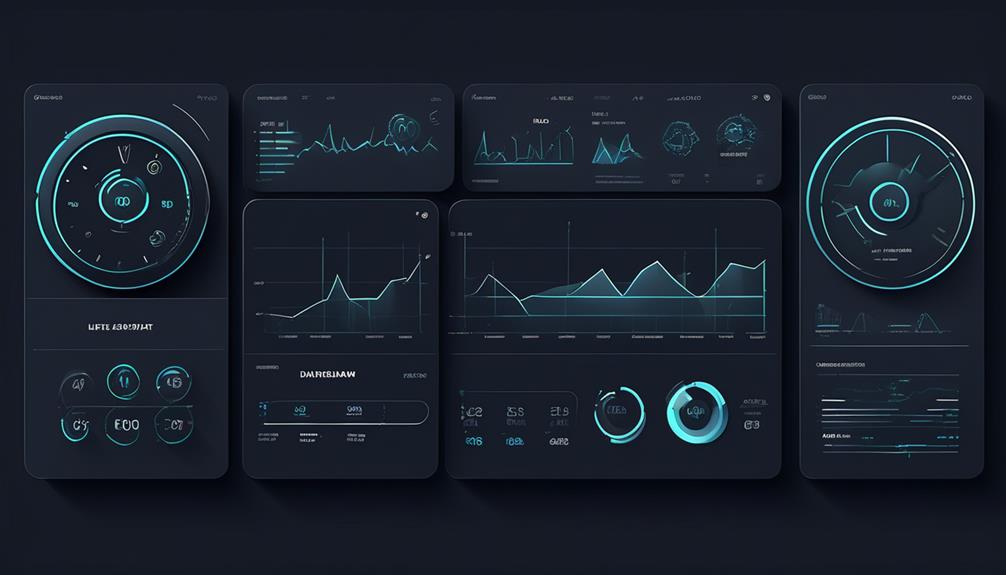
Real-time reporting and analytics provide valuable insights into workforce productivity and performance. With the help of real-time tracking tools, you can gather data on employee activities and use it for data-driven decision making. Here are three reasons why real-time reporting and analytics are essential for efficient workforce management:
- Increased visibility: Real-time reporting allows you to see what your team members are working on at any given moment. You can track their progress, identify bottlenecks, and allocate resources accordingly. It's like having a magic crystal ball that shows you the exact state of your workforce.
- Identifying trends: By analyzing real-time data, you can spot trends and patterns in your team's performance. Are certain tasks taking longer than usual? Are there specific days when productivity dips? With this information, you can make informed decisions to improve efficiency and optimize your workforce.
- Performance evaluation: Real-time reporting enables you to evaluate individual and team performance instantly. You can see who is meeting their targets and who needs additional support. This information can guide you in providing timely feedback and coaching, leading to better overall performance.
Best Practices for Implementing Automated Time Tracking Systems
To successfully implement automated time tracking systems, follow these best practices for seamless integration and efficient workforce management. Implementing such systems can enhance employee productivity and streamline operations, but it can also present some implementation challenges.
First and foremost, it is crucial to clearly communicate the purpose and benefits of the automated time tracking system to your employees. Address any concerns they may have and highlight how this system will ultimately benefit them by eliminating manual time tracking and reducing errors.
Next, involve your employees in the implementation process. Seek their input and feedback to ensure that the system meets their needs and is user-friendly. This will also help in gaining their buy-in and cooperation throughout the implementation process.
Consider conducting a pilot program before rolling out the system company-wide. This will allow you to identify any potential issues or challenges and make necessary adjustments before a full-scale implementation.
Training is another critical aspect of successful implementation. Provide comprehensive training to all employees to ensure they understand how to use the system effectively.
Lastly, regularly review and evaluate the system's performance to identify any areas for improvement. Keep an open line of communication with employees and address any concerns or issues promptly.
Frequently Asked Questions
Can I Customize the Time Tracking Software to Fit the Specific Needs and Requirements of My Organization?
Sure, you can totally customize the time tracking software to fit your organization's unique needs and requirements. The implementation process is a breeze, and you'll have a system that works like a charm in no time.
How Can Biometric Time Clocks Ensure Accurate and Secure Time Tracking?
Biometric time clocks ensure accurate and secure time tracking by using unique physiological traits, like fingerprints or facial recognition, to verify employee identities. The benefits of biometric time clocks include reducing buddy punching and increasing overall workforce efficiency.
Are There Any Limitations or Potential Challenges When Using Mobile Time Tracking Apps?
Using mobile time tracking apps may have limitations and potential challenges. For example, some apps may not work offline or may have compatibility issues with certain devices. However, these issues can be overcome with proper planning and troubleshooting.
Can Automated Time Tracking Systems Integrate With Multiple Payroll Systems Simultaneously?
Automated time tracking systems can integrate with multiple payroll systems simultaneously, allowing for efficient and streamlined workforce management. This ensures accurate and timely payroll processing across various platforms, saving you time and reducing the potential for errors.
What Are Some Common Mistakes or Pitfalls to Avoid When Implementing Automated Time Tracking Systems?
When implementing automated time tracking systems, you should watch out for common pitfalls. Make sure to avoid inadequate training, poor data management, and lack of employee buy-in. Follow best practices to ensure smooth implementation and efficient workforce management.