
Picture yourself standing at a busy crossroads, with countless potential customers passing by. How do you ensure that your message reaches the right people at the right time? The answer lies in the seamless integration of CRM and email marketing, providing a powerful tool for automating customer outreach. But what are the benefits of this integration, and how can you leverage it to drive engagement and conversions? In this discussion, we will explore the key features of automated customer outreach, the importance of selecting the right CRM and email marketing platforms, and the strategies to create personalized and targeted email campaigns. Get ready to unlock the potential of CRM and email marketing automation to reach new heights in customer engagement.
Key Takeaways
- Integration of CRM and email marketing can lead to improved ROI, customer retention, and loyalty.
- Automated customer outreach allows for personalized and timely communication, optimized outreach strategies, and streamlined customer engagement.
- Selecting the right CRM and email marketing platforms involves considering integration capabilities, features/functionality, scalability, user-friendliness, and training opportunities.
- Implementing effective customer segmentation strategies can enhance targeting and personalization, increase engagement and conversion rates, and foster stronger relationships with customers.
Benefits of CRM and Email Marketing Integration
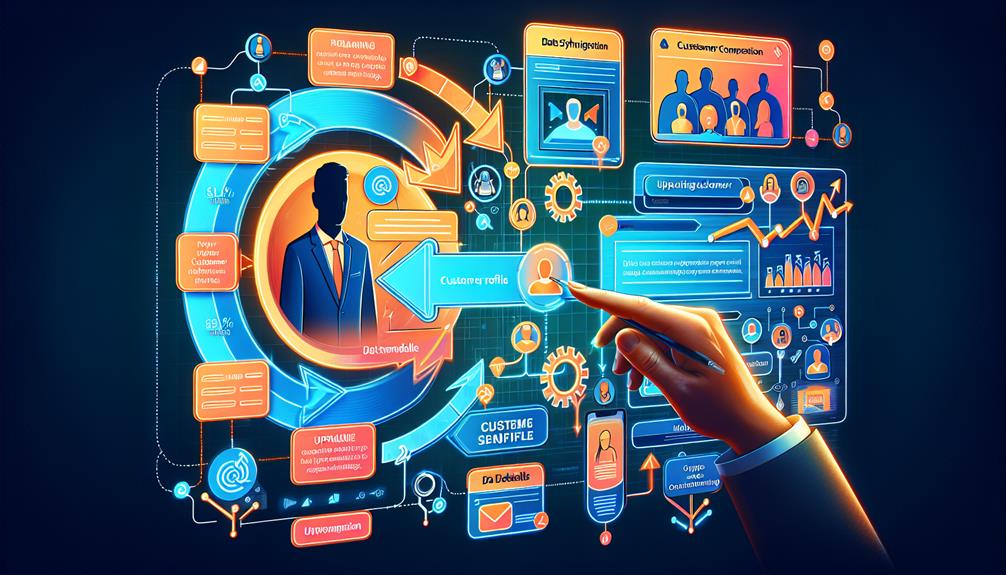
By integrating CRM and email marketing, you can optimize your customer communication and achieve better results. The benefits of this integration are numerous, including improving ROI and increasing customer retention.
Firstly, integrating CRM and email marketing allows you to improve your return on investment (ROI). By leveraging customer data stored in your CRM system, you can create highly targeted and personalized email campaigns. This targeted approach not only increases the chances of your emails being opened and read but also boosts the likelihood of conversions. With better conversion rates, you can maximize the value you get from your email marketing efforts and ultimately improve your ROI.
Secondly, integrating CRM and email marketing helps in increasing customer retention. With CRM, you can gather valuable customer information, such as purchase history, preferences, and behavior patterns. By leveraging this data, you can send relevant and timely emails to your customers, providing them with personalized offers, recommendations, and updates. By nurturing your customer relationships through targeted and personalized communication, you can build stronger connections and increase customer loyalty. This, in turn, leads to higher customer retention rates and a more loyal customer base.
Key Features of Automated Customer Outreach
Automated customer outreach offers several key features that can enhance your communication and engagement with customers. By implementing automated outreach strategies, you can streamline your customer engagement process and improve the overall customer experience.
One key feature of automated customer outreach is personalized communication. With automation, you can create customized messages that are tailored to each individual customer. This allows you to deliver relevant content and offers that resonate with your customers, increasing the likelihood of engagement and conversion.
Another important feature is timely and consistent communication. Automation allows you to schedule and send emails at specific intervals, ensuring that your customers receive regular updates and stay informed about your products or services. By maintaining a consistent presence, you can build trust and loyalty with your customers.
Automated customer outreach also enables you to track and analyze customer interactions. With the help of CRM software, you can monitor customer engagement metrics such as email open rates, click-through rates, and conversions. This data provides valuable insights into customer behavior and preferences, allowing you to optimize your outreach strategies and improve your overall marketing efforts.
Selecting the Right CRM and Email Marketing Platforms

To effectively choose the right CRM and email marketing platforms, consider the specific needs and goals of your automated customer outreach strategy. Here are some key factors to consider when selecting the right CRM and email marketing platforms for your business:
- Integration capabilities: Look for CRM and email marketing platforms that offer seamless integration. This will ensure that your customer data is synced between the two systems and that you can easily automate your email marketing campaigns based on customer actions and behavior.
- Features and functionality: Evaluate the features and functionality of different CRM and email marketing platforms. Consider whether they offer advanced segmentation options, personalization capabilities, A/B testing, and automation workflows. Choose a platform that aligns with your specific requirements and allows you to create highly targeted and personalized email campaigns.
- Scalability: Consider the scalability of the CRM and email marketing platforms. Will they be able to handle your growing customer base and evolving needs? Look for platforms that offer flexible pricing plans and can easily accommodate your business growth.
- User-friendliness: Ease of use is crucial when selecting CRM and email marketing platforms. Look for platforms that have an intuitive interface, offer comprehensive documentation and support resources, and provide training opportunities. This will ensure that you and your team can quickly adapt to the new system and maximize its potential.
Building an Effective Customer Segmentation Strategy
Now it's time to talk about building an effective customer segmentation strategy. Segmentation offers many benefits, such as allowing you to target your communication efforts more effectively. By dividing your customer base into smaller, more specific groups, you can tailor your messages to their unique needs and interests, increasing the chances of engaging and converting them.
Segmentation Benefits
By effectively implementing a customer segmentation strategy, you can enhance the targeting and personalization of your CRM and email marketing efforts. Customer segmentation allows you to divide your customer base into distinct groups based on characteristics such as demographics, behavior, and preferences. This enables you to tailor your messages and offers to each segment's specific needs and interests. Here are four benefits of implementing a customer segmentation strategy:
- Improved relevance: By targeting specific segments, you can deliver more relevant content that resonates with your customers.
- Increased engagement: Personalized messages are more likely to capture your audience's attention and drive higher engagement rates.
- Higher conversion rates: By understanding the unique needs and preferences of each segment, you can create targeted offers that are more likely to convert.
- Enhanced customer loyalty: When customers receive personalized and relevant communications, they feel valued and are more likely to remain loyal to your brand.
Implementing a customer segmentation strategy empowers you to create effective targeting, resulting in more meaningful and profitable relationships with your customers.
Targeted Communication
How can you effectively build a customer segmentation strategy to achieve targeted communication? To ensure personalized messaging and enhance customer retention, it is crucial to understand the different segments within your customer base. Start by analyzing customer data, such as demographics, purchase history, and behavior patterns. This information will help you identify common characteristics and preferences among your customers. Once you have identified these segments, you can tailor your communication to address their specific needs and interests. Implementing a robust CRM system will enable you to automate this process and deliver relevant messages at the right time. By targeting your customers with personalized messaging, you can foster stronger relationships, increase engagement, and ultimately improve customer retention. With an effective customer segmentation strategy, you can ensure that your communication resonates with your audience and drives meaningful results.
Creating Personalized and Targeted Email Campaigns

To create effective email campaigns, tailor your messages to resonate with each recipient by personalizing content and targeting specific demographics. Personalization techniques can significantly enhance the impact of your email marketing efforts. Here are some email personalization tips to help you create personalized and targeted email campaigns:
- Segment your email list: Divide your subscribers into different segments based on their demographics, interests, and behaviors. This will allow you to send targeted emails to specific groups of people who are more likely to engage with your content.
- Use dynamic content: Customize your email content based on the recipient's preferences or past interactions with your brand. By displaying relevant products or information, you can make your emails more personalized and increase the chances of conversion.
- Include personalized subject lines: Craft subject lines that grab the attention of your recipients by using their names or personalizing the content. This will make your emails stand out in their crowded inboxes and increase the open rates.
- Send triggered emails: Set up automated email campaigns triggered by specific actions or events, such as abandoned cart emails or birthday wishes. These personalized emails can help nurture customer relationships and drive conversions.
Implementing Customer Journey Automation
Automate your customer journey to streamline and optimize your marketing efforts. Implementing customer journey automation allows you to efficiently guide your customers through every step of the sales process. By automating the sales process, you can save time and resources while ensuring a consistent and personalized experience for each customer.
One essential tool for implementing customer journey automation is customer journey mapping. This process involves visualizing and understanding the different stages and touchpoints that a customer goes through when interacting with your brand. By mapping out the customer journey, you can identify opportunities for automation and create targeted campaigns that align with each stage.
To illustrate the benefits of customer journey automation, consider the following table:
| Stage of Customer Journey | Automation Opportunity |
|---|---|
| Awareness | Automated lead generation campaigns |
| Consideration | Personalized email drip campaigns |
| Conversion | Automated follow-up and nurturing |
| Retention | Automated loyalty programs |
| Advocacy | Automated referral campaigns |
Tracking and Analyzing Campaign Performance
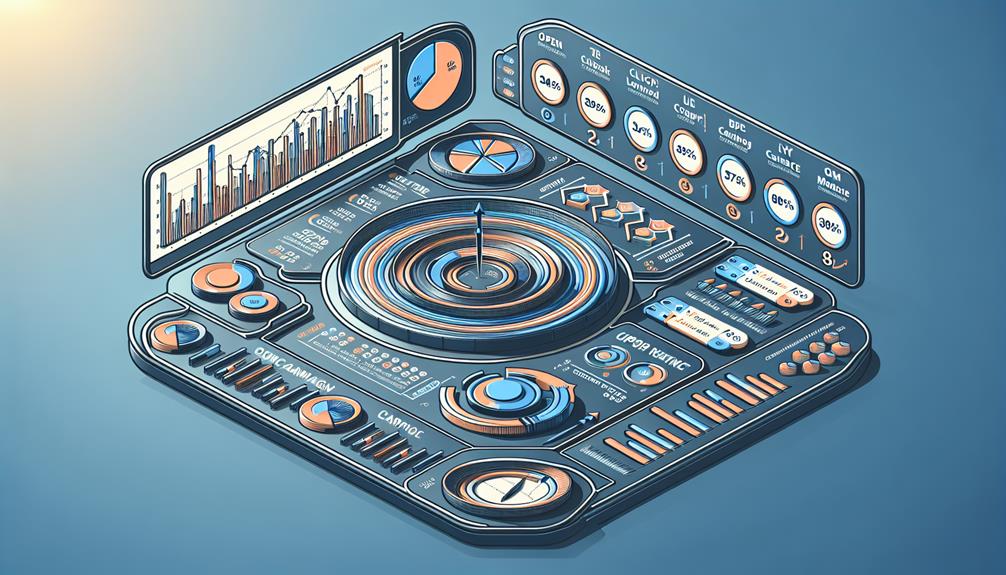
Now it's time to focus on tracking and analyzing your campaign performance. This is crucial for understanding how successful your campaigns are and how engaged your customers are with your content. By monitoring metrics for campaign success and analyzing customer engagement, you can identify areas for improvement and make adjustments to enhance the effectiveness of your future campaigns.
Metrics for Campaign Success
Improve your email marketing campaigns by effectively tracking and analyzing the performance of your campaigns. Here are some metrics you should focus on:
- Open Rate: Measure how many recipients open your emails. A higher open rate indicates that your subject lines and preview text are engaging.
- Click-Through Rate (CTR): Track the percentage of recipients who click on links within your emails. A higher CTR suggests that your content and call-to-action are compelling.
- Conversion Rate: Calculate the percentage of recipients who complete the desired action, such as making a purchase or filling out a form. This metric helps you measure the effectiveness of your campaign in driving action.
- Return on Investment (ROI): Measure the financial success of your campaign by comparing the revenue generated to the costs incurred. This metric helps you determine the profitability of your email marketing efforts.
Analyzing Customer Engagement
To effectively track and analyze the performance of your email marketing campaigns, it is crucial to analyze customer engagement and campaign performance. Customer behavior analysis plays a significant role in understanding how your audience interacts with your emails. By measuring engagement, you can gain valuable insights into what resonates with your customers and what doesn't. Tracking metrics such as open rates, click-through rates, and conversion rates allows you to assess the effectiveness of your campaigns and make data-driven decisions to optimize future efforts. Analyzing customer engagement also helps identify trends and patterns, enabling you to tailor your messaging and content to better meet the needs and preferences of your audience. Remember, understanding and leveraging customer behavior analysis is key to improving the success of your email marketing campaigns.
Improving Campaign Effectiveness
By analyzing customer engagement and campaign performance, you can enhance the effectiveness of your email marketing campaigns. Here are some strategies to improve open rates and increase click through rates:
- Personalize your emails: Tailor your content to each individual customer to make them feel valued and increase their chances of opening and engaging with your emails.
- A/B testing: Experiment with different subject lines, email designs, and calls to action to determine what resonates best with your audience and drives higher open and click through rates.
- Segment your email list: Divide your subscribers into smaller groups based on their demographics, interests, or past behaviors to send more targeted and relevant emails that are more likely to be opened and clicked.
- Monitor and analyze campaign metrics: Keep track of key metrics, such as open rates and click through rates, to identify trends and areas for improvement. Use the insights gained to refine your email marketing strategies and optimize future campaigns.
Frequently Asked Questions
How Can CRM and Email Marketing Integration Benefit Small Businesses?
You'll be amazed at how CRM and email marketing integration can transform your small business. It streamlines communication, boosts customer engagement, and increases sales. Say goodbye to manual processes and hello to automated success.
Can Automated Customer Outreach Help Improve Customer Retention Rates?
Automated customer outreach, through personalized email campaigns, can greatly improve customer retention rates. By engaging customers in a timely and relevant manner, you can build stronger relationships and increase loyalty to your brand.
What Are Some Key Features of CRM and Email Marketing Platforms That Businesses Should Look For?
When considering CRM and email marketing platforms, look for key features like segmentation, automation, and analytics. Integration benefits include streamlined workflows, personalized messaging, and improved customer targeting. Maximize your outreach potential!
How Can Businesses Ensure They Select the Right CRM and Email Marketing Platforms for Their Specific Needs?
To select the right CRM and email marketing platforms, consider how they integrate with each other. Look for features that fit your specific needs and allow you the freedom to automate customer outreach effectively.
What Are Some Best Practices for Tracking and Analyzing Campaign Performance to Optimize Future Email Marketing Efforts?
You want to know how to track and analyze campaign performance to optimize future email marketing efforts? Well, you can start by diving into campaign data and metrics, identifying trends, and experimenting with different strategies to improve results.