

In the ever-evolving landscape of procurement, the integration of technology has become a cornerstone for efficiency and effectiveness. One of the most transformative innovations in this domain is Robomotion, a sophisticated automation tool designed to streamline various procurement processes. As I delve into the world of Robomotion, I find it fascinating how this technology not only enhances operational efficiency but also significantly reduces human error, thereby improving overall compliance and vendor management.
The procurement function, traditionally laden with manual tasks, is now experiencing a paradigm shift, thanks to the capabilities offered by Robomotion. Robomotion leverages advanced algorithms and machine learning to automate repetitive tasks, allowing procurement professionals like myself to focus on strategic decision-making rather than mundane administrative duties. This shift is particularly crucial in an era where speed and accuracy are paramount.
By automating processes such as vendor compliance checks, Robomotion enables organizations to maintain high standards while navigating the complexities of supplier relationships. As I explore the implications of this technology, it becomes clear that Robomotion is not just a tool; it is a catalyst for change in procurement practices.
Key Takeaways
- Robomotion automates and enhances vendor compliance checks in procurement processes.
- Manual compliance checks are time-consuming and prone to errors, highlighting the need for automation.
- Implementing Robomotion streamlines compliance verification, improving accuracy and efficiency.
- Successful case studies demonstrate significant time savings and risk reduction using Robomotion.
- Future innovations in Robomotion promise even more advanced procurement automation and compliance management.
Importance of Vendor Compliance Checks in Procurement
Vendor compliance checks are an essential aspect of procurement that cannot be overlooked. These checks ensure that suppliers adhere to regulatory requirements, industry standards, and contractual obligations. As I engage with various stakeholders in the procurement process, I realize that maintaining compliance is not merely a box-ticking exercise; it is fundamental to safeguarding the organization’s reputation and mitigating risks.
Non-compliance can lead to severe consequences, including legal penalties, financial losses, and damage to brand integrity. Moreover, vendor compliance checks foster trust and transparency in supplier relationships. When I ensure that my vendors meet compliance standards, I am not only protecting my organization but also building a foundation of reliability and accountability.
This trust is vital for long-term partnerships, as it encourages collaboration and innovation between suppliers and buyers. In today’s competitive market, where organizations are increasingly scrutinized for their supply chain practices, the importance of robust vendor compliance checks cannot be overstated.
Challenges in Handling Vendor Compliance Checks Manually
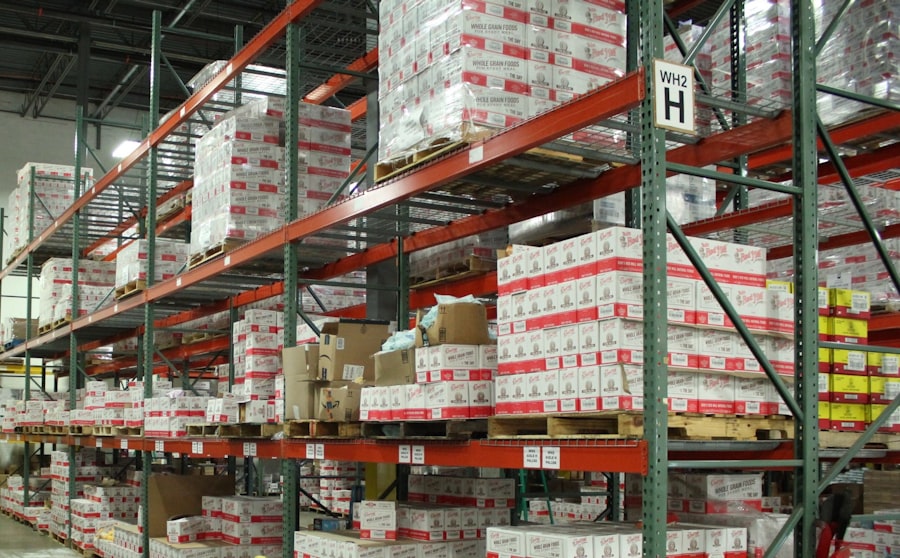
Despite the critical nature of vendor compliance checks, managing them manually presents numerous challenges that can hinder procurement efficiency. One of the most significant issues I encounter is the sheer volume of data that needs to be processed. Each vendor may have different compliance requirements based on their industry, location, and specific contractual agreements.
As I sift through mountains of documentation and data points, I often find myself overwhelmed by the complexity and time-consuming nature of these tasks. Additionally, manual compliance checks are prone to human error. In my experience, even the most diligent professionals can overlook critical details when handling large volumes of information.
This oversight can lead to compliance gaps that expose the organization to risks. Furthermore, the lack of standardized processes can result in inconsistencies in how compliance checks are conducted across different vendors. This variability not only complicates the procurement process but also makes it challenging to maintain a comprehensive view of vendor performance and compliance status.
How Robomotion Can Streamline Vendor Compliance Checks
Robomotion offers a solution to the challenges associated with manual vendor compliance checks by automating and streamlining these processes. By utilizing Robomotion’s capabilities, I can significantly reduce the time spent on data collection and analysis. The automation of routine tasks allows me to focus on more strategic activities that require human insight and judgment.
For instance, Robomotion can automatically gather compliance documentation from vendors, cross-reference it with regulatory requirements, and flag any discrepancies for further review. Moreover, Robomotion enhances accuracy by minimizing human intervention in data processing. With its advanced algorithms, the tool can analyze vast amounts of data quickly and efficiently, ensuring that no critical information is overlooked.
This level of precision not only improves compliance rates but also provides me with real-time insights into vendor performance. By having access to up-to-date compliance information at my fingertips, I can make informed decisions that align with organizational goals and risk management strategies.
Benefits of Using Robomotion for Vendor Compliance Checks
| Metric | Description | Before Robomotion | After Robomotion | Improvement |
|---|---|---|---|---|
| Compliance Check Time | Average time to complete vendor compliance verification | 3 hours | 30 minutes | 83% reduction |
| Error Rate | Percentage of compliance checks with errors or omissions | 12% | 2% | 83% reduction |
| Manual Effort | Hours spent by procurement staff on compliance checks per week | 20 hours | 5 hours | 75% reduction |
| Vendor Onboarding Speed | Average days to onboard a new vendor after compliance checks | 10 days | 3 days | 70% faster |
| Compliance Coverage | Percentage of vendors fully verified for compliance | 85% | 98% | 15% increase |
| Cost Savings | Reduction in operational costs related to compliance checks | Baseline | Significant reduction | Estimated 60% savings |
The benefits of implementing Robomotion for vendor compliance checks are manifold. First and foremost, the automation of these processes leads to significant time savings. In my experience, what once took days or even weeks to complete can now be accomplished in a fraction of the time.
This efficiency allows procurement teams to allocate resources more effectively and respond swiftly to changing market conditions or regulatory requirements. Additionally, Robomotion enhances the overall quality of compliance checks. With its ability to standardize processes and eliminate human error, I find that the accuracy of compliance assessments improves dramatically.
This reliability not only protects my organization from potential risks but also strengthens relationships with vendors who appreciate a streamlined and transparent compliance process. Furthermore, by providing detailed reports and analytics on vendor performance, Robomotion empowers me to make data-driven decisions that enhance supplier management strategies.
Implementation of Robomotion in Procurement Processes
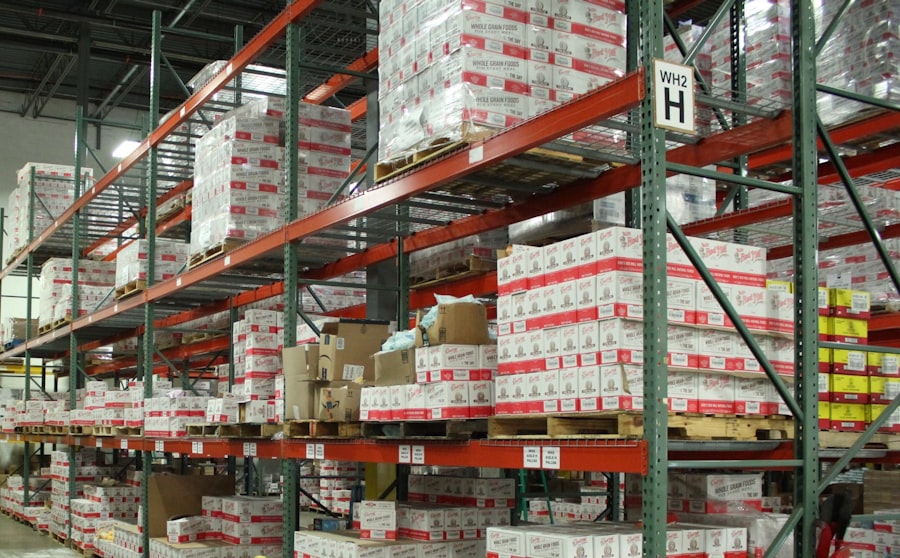
Implementing Robomotion into procurement processes requires careful planning and execution. As I embark on this journey, I recognize the importance of aligning technology with organizational goals and existing workflows. The first step involves assessing current procurement practices to identify areas where automation can deliver the most value.
By engaging with stakeholders across departments, I can gather insights into pain points and opportunities for improvement.
Once I have a clear understanding of the needs and objectives, I can begin the integration process.
This typically involves configuring Robomotion to align with specific compliance requirements and establishing protocols for data input and output.
Training is another critical component; ensuring that my team is well-versed in using Robomotion effectively will maximize its potential benefits. Throughout this implementation phase, continuous monitoring and feedback loops are essential to refine processes and address any challenges that may arise.
Case Studies of Successful Implementation of Robomotion for Vendor Compliance Checks
Examining case studies of organizations that have successfully implemented Robomotion for vendor compliance checks provides valuable insights into its effectiveness. For instance, one multinational corporation faced significant challenges in managing its diverse supplier base across various regions. By adopting Robomotion, they were able to automate their compliance checks, resulting in a 50% reduction in processing time and a marked improvement in compliance accuracy.
Another case involved a mid-sized company that struggled with inconsistent vendor assessments due to manual processes. After integrating Robomotion into their procurement workflow, they established standardized compliance protocols that enhanced transparency and accountability among suppliers. The company reported increased vendor satisfaction as a result of clearer expectations and streamlined communication regarding compliance requirements.
These case studies illustrate not only the tangible benefits of Robomotion but also its potential to transform procurement practices across different industries.
Future Trends and Innovations in Robomotion for Procurement
As I look ahead to the future of Robomotion in procurement, several trends and innovations stand out. One notable development is the increasing integration of artificial intelligence (AI) and machine learning capabilities within Robomotion tools. These advancements will enable even more sophisticated data analysis and predictive modeling, allowing procurement professionals like myself to anticipate compliance issues before they arise.
Additionally, as organizations continue to prioritize sustainability and ethical sourcing practices, Robomotion will likely evolve to incorporate features that assess vendor compliance with environmental and social governance (ESG) criteria. This shift will not only enhance compliance checks but also align procurement strategies with broader corporate social responsibility goals. In conclusion, the future of procurement is undoubtedly intertwined with technological advancements like Robomotion.
As I embrace these innovations, I am excited about the potential they hold for transforming vendor compliance checks into a more efficient, accurate, and strategic component of procurement processes. The journey ahead promises to be dynamic and full of opportunities for growth and improvement in how we manage supplier relationships.
In the realm of procurement, ensuring vendor compliance is crucial for maintaining quality and efficiency. A related article that delves into the automation aspect of quality assurance in manufacturing is available at <a href='https://hub.robomotion.pro/2024/02/07/automating-quality-assurance-in-sme-manufacturing/’>Automating Quality Assurance in SME Manufacturing. This piece explores how automation technologies can streamline processes and enhance compliance checks, making it a valuable read for those interested in optimizing procurement practices through innovative solutions like Robomotion.
FAQs
What is Robomotion?
Robomotion is an automation platform designed to streamline and optimize business processes by using robotic process automation (RPA) technology. It helps organizations automate repetitive tasks, improve accuracy, and increase efficiency.
How does Robomotion assist in vendor compliance checks?
Robomotion automates the process of verifying vendor compliance by systematically collecting, validating, and analyzing vendor data against predefined compliance criteria. This reduces manual effort, speeds up the procurement process, and ensures consistent adherence to regulatory and company standards.
What are vendor compliance checks in procurement?
Vendor compliance checks involve verifying that suppliers meet specific requirements such as certifications, legal regulations, contract terms, and quality standards before and during procurement activities. These checks help mitigate risks and ensure reliable supply chain operations.
Can Robomotion integrate with existing procurement systems?
Yes, Robomotion is designed to integrate with various procurement and enterprise resource planning (ERP) systems, enabling seamless data exchange and automation across platforms without disrupting existing workflows.
What are the benefits of using Robomotion for vendor compliance?
Using Robomotion for vendor compliance checks offers benefits such as increased process speed, reduced human error, improved data accuracy, enhanced audit trails, and the ability to handle large volumes of vendor data efficiently.
Is technical expertise required to implement Robomotion?
While some technical knowledge can be helpful, Robomotion typically provides user-friendly interfaces and tools that allow procurement teams and business users to design and manage automation workflows with minimal coding or IT support.
How does Robomotion ensure data security during compliance checks?
Robomotion incorporates security measures such as data encryption, access controls, and compliance with industry standards to protect sensitive vendor and procurement information throughout the automation process.
Can Robomotion handle updates in compliance regulations?
Yes, Robomotion workflows can be updated and configured to reflect changes in compliance regulations, ensuring that vendor checks remain current and aligned with the latest legal and organizational requirements.
What types of procurement tasks can be automated with Robomotion besides compliance checks?
In addition to vendor compliance checks, Robomotion can automate tasks such as purchase order processing, invoice matching, contract management, supplier onboarding, and reporting within the procurement function.
Is Robomotion suitable for companies of all sizes?
Robomotion is scalable and can be tailored to meet the needs of small, medium, and large enterprises, making it a versatile solution for organizations looking to enhance procurement efficiency through automation.