
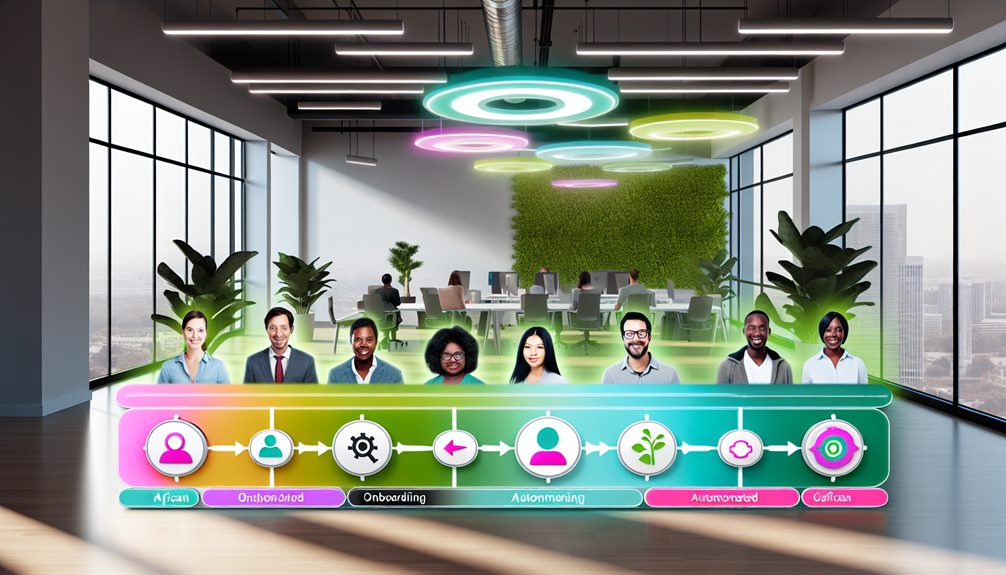
Automating customer onboarding is crucial for creating a positive initial experience, which influences long-term client satisfaction and loyalty. Start by defining your onboarding objectives and mapping the customer journey to identify critical touchpoints. Leverage tools like CRM software and email automation to guarantee timely, personalized communication. Additionally, integrate chatbots for immediate support while monitoring performance through user analytics. Regularly solicit feedback to refine the onboarding process, focusing on continuous improvement. By implementing these steps, you can enhance engagement and streamline onboarding, positioning yourself for greater success. The following sections will further illuminate this significant process.
Key Takeaways
- Define clear objectives for your onboarding process to align with customer needs and drive desired outcomes.
- Map the customer journey to identify critical touchpoints for automation and support.
- Utilize CRM and email automation tools to streamline communication and personalize customer interactions.
- Implement user analytics to monitor onboarding performance and identify areas for improvement.
- Regularly solicit feedback from customers to refine and enhance the onboarding experience continuously.
Understanding Customer Onboarding
Customer onboarding is a vital process that shapes the initial experience of new clients with a company, making it essential to understand its nuances thoroughly. This journey begins the moment a prospective customer expresses interest, and it extends through their first interactions with your product or service. During this significant phase, clients form their perceptions and establish expectations, which can greatly influence their long-term satisfaction and loyalty.
However, the onboarding process is not without its challenges. Companies often face onboarding challenges such as information overload, unclear communication, and a lack of personalized guidance. These issues can lead to frustration and confusion, undermining the very relationship they aim to build. By recognizing these potential pitfalls, businesses can be proactive in addressing them, ensuring a smoother shift for their new clients.
Empathy is essential in steering the customer journey effectively. Understanding the unique needs and concerns of each client allows companies to tailor their onboarding processes, making clients feel valued and supported from the outset. This personalized approach fosters trust and sets the foundation for a lasting relationship.
Ultimately, successful customer onboarding not only enhances the client experience but also empowers customers with the knowledge and tools they need to engage fully with the service. By prioritizing a thoughtful and proactive onboarding strategy, companies can mitigate challenges and create a welcoming environment that inspires loyalty and freedom of choice for their clients.
Benefits of Automation
Implementing automation in the customer onboarding process can greatly enhance the overall experience for new clients. By automating repetitive tasks, businesses can achieve significant time savings, allowing teams to focus on building relationships and understanding client needs. This proactive approach not only fosters improved engagement but also guarantees that clients receive timely and relevant information, making them feel valued from the start.
One of the key benefits of automation is enhanced consistency. Automated workflows standardize processes, which reduces the likelihood of errors that often arise from manual handling. This reliability builds trust and confidence in your service, ultimately leading to increased customer satisfaction. When clients know they can depend on a seamless onboarding experience, they are more likely to engage with your brand long-term.
Moreover, automation enables streamlined processes that adapt to the specific needs of your business as it grows. The scalability potential of automated systems means that onboarding can be adjusted effortlessly, accommodating an expanding customer base without compromising quality. This flexibility also contributes to cost efficiency, as resources are allocated more effectively, reducing overhead and maximizing return on investment.
Ultimately, the integration of automation in customer onboarding not only simplifies the process but also empowers clients, giving them the freedom to engage with your services at their own pace. By prioritizing these benefits, businesses can transform the onboarding experience into a powerful tool for fostering loyalty and driving sustainable growth.
Key Tools and Technologies
To effectively harness the advantages of automation in the onboarding process, businesses must leverage the right tools and technologies. Selecting appropriate solutions not only enhances efficiency but also fosters a seamless experience for new customers, allowing them to feel valued and empowered.
CRM software is essential for managing customer interactions and personalizing engagement. By integrating onboarding platforms, companies can streamline the onboarding journey, providing a structured experience that guides users through each step. Email automation guarantees timely communication, delivering critical information and reminders while freeing up team resources.
Incorporating user analytics enables businesses to monitor onboarding performance and identify areas for improvement. This data-driven approach allows for the creation of feedback loops, making sure that insights from new customers are utilized to refine the process continually. Additionally, chatbot integration can offer immediate support, answering common queries and enhancing customer satisfaction.
Equally important is prioritizing data security, particularly when handling sensitive customer information. Implementing robust security measures fosters trust and guarantees compliance with regulations, which is essential in today's digital landscape.
Designing Your Onboarding Workflow
A well-structured onboarding workflow is pivotal in ensuring that new customers experience a smooth and engaging introduction to your services. By carefully designing your onboarding stages, you can greatly enhance the user experience, making it easier for customers to navigate through your offerings and feel valued from the outset.
To create an effective onboarding workflow, consider the following steps:
- Define Objectives: Clearly outline what you want to achieve through the onboarding process, such as increased product usage or customer satisfaction.
- Map Customer Journey: Visualize the path your customers will take, and identify key touchpoints where you can provide support and resources.
- Personalize Interactions: Tailor communications and resources to meet the unique needs and preferences of each customer, fostering a sense of connection.
- Automate Where Possible: Utilize automation tools to streamline repetitive tasks, allowing you to focus on more meaningful interactions that enhance the user experience.
- Solicit Feedback: Regularly seek input from customers to understand their onboarding experience and make necessary adjustments.
Measuring Success and Improvement
Understanding how to measure success in your customer onboarding process is vital for continuous improvement. By establishing clear success metrics, you can assess how well your onboarding efforts resonate with your customers. Key performance indicators (KPIs) such as completion rates, time-to-value, and customer satisfaction scores can provide valuable insights into your onboarding effectiveness.
Implementing feedback loops is significant in this process. Regularly soliciting feedback from your customers about their onboarding experience not only enables you to identify pain points but also empowers them to share their desires for improvement. By actively listening and responding to customer input, you foster a sense of collaboration that can lead to enhanced engagement and loyalty.
Continuous improvement should be at the heart of your onboarding strategy. Analyzing your success metrics alongside customer feedback allows you to pinpoint areas that require refinement. For instance, if customers express confusion about specific features, consider revising your onboarding materials or offering targeted training sessions. This proactive approach demonstrates your commitment to their success and satisfaction.
Ultimately, the goal is to create a seamless onboarding experience that aligns with your customers' needs and values. As you refine your process, remember that measuring success is not a one-time event; it's an ongoing journey. By embracing a culture of continuous improvement and prioritizing customer satisfaction, you position your organization to thrive in an increasingly competitive landscape, empowering your customers to realize their full potential.
Frequently Asked Questions
What Are Common Mistakes to Avoid During Customer Onboarding?
Common mistakes during customer onboarding include neglecting the onboarding timeline and failing to implement effective engagement strategies. These oversights can hinder customer satisfaction and retention, ultimately impacting overall business success and client freedom in maneuvering services.
How to Handle Customer Feedback During Onboarding?
Picture a garden flourishing from attentive care; similarly, effective onboarding thrives through proactive feedback collection. Utilize onboarding surveys to capture insights, listen empathetically, and adapt processes, ensuring customers feel valued and empowered throughout their journey.
Can Automation Replace Personal Interaction in Onboarding?
While automation enhances efficiency in onboarding, it should not entirely replace personal interaction. Balancing technology with a personal touch fosters deeper connections, ensuring clients feel valued and understood, ultimately leading to greater satisfaction and loyalty.
How to Customize Onboarding for Different Customer Segments?
Customizing onboarding for different customer segments involves creating tailored onboarding workflows based on distinct customer personas. By understanding their unique needs and preferences, organizations can enhance engagement and satisfaction, ultimately fostering stronger, lasting relationships.
What Are the Costs Associated With Onboarding Automation?
Onboarding automation involves various costs, primarily onboarding software expenses and implementation costs. Understanding these financial commitments allows organizations to allocate resources effectively, ensuring a seamless shift that enhances customer experience while fostering long-term relationships.