
They say that a chain is only as strong as its weakest link. In the world of HR, this adage holds true when it comes to hiring practices. The quest for bias-free hiring has always been a challenge, but with the advancements in artificial intelligence (AI), there is a glimmer of hope. Imagine being able to leverage AI to eliminate unconscious biases and ensure fair and equitable hiring processes. But how exactly does AI achieve this? And what are the tools available for HR professionals to embrace this technology? In this discussion, we will explore the potential of AI-powered tools for candidate evaluation, the benefits of eliminating unconscious biases with AI, and the practical steps to implement AI in HR practices. Get ready to discover a new era of bias-free hiring that could revolutionize the way organizations find their best talent.
Key Takeaways
- Bias-free hiring practices ensure fair and equitable opportunities for all candidates.
- AI in HR revolutionizes recruitment by automating processes and focusing on objective criteria.
- AI-powered tools such as resume analysis, video interviews, and assessments enhance candidate evaluation.
- AI helps detect and mitigate unconscious biases in the hiring process, promoting equal opportunities and a more inclusive workforce.
The Importance of Bias-Free Hiring
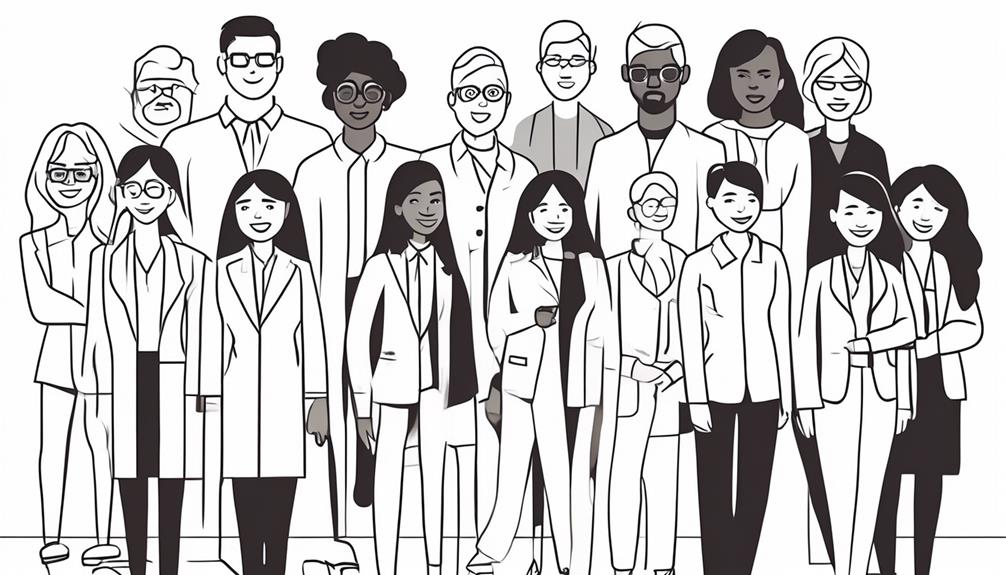
Bias-free hiring is crucial for ensuring fair and equitable opportunities for all candidates, while also enhancing the overall effectiveness and success of an organization's HR practices. Overcoming implicit bias is a key aspect of achieving diversity in recruitment, and it is essential for organizations to recognize and address this issue.
Implicit bias refers to the unconscious biases and stereotypes that individuals hold, which can affect their decision-making processes. These biases can inadvertently influence hiring decisions, leading to a lack of diversity in the workplace. By implementing bias-free hiring practices, organizations can mitigate the impact of implicit bias and create a more inclusive environment.
One effective strategy for overcoming implicit bias is to use technology, such as artificial intelligence (AI), in the recruitment process. AI-powered tools can analyze candidate data objectively, without being influenced by personal biases. These tools can assess candidates based on their qualifications and skills, rather than their gender, ethnicity, or any other characteristic that may lead to biased decision-making.
Understanding AI in HR
To understand AI in HR, it is essential to recognize its role in the hiring process and its potential to overcome bias. AI can automate various aspects of recruitment, such as resume screening and candidate ranking, improving efficiency and accuracy. By relying on data-driven algorithms, AI can help mitigate bias by focusing on objective criteria and eliminating subjective judgments that may lead to discriminatory practices.
Ai's Role in HR
AI plays a crucial role in revolutionizing HR practices by leveraging advanced algorithms and data analysis to enhance decision-making processes. Here are four ways AI is shaping the future of HR:
- Efficient Talent Acquisition: AI-powered tools can sift through resumes, identify qualified candidates, and even conduct initial interviews, saving HR professionals time and effort.
- Unbiased Recruitment: By removing human bias from the hiring process, AI helps ensure fair evaluations based on skills and qualifications rather than subjective factors.
- Improved Employee Engagement: AI-driven chatbots and virtual assistants can provide personalized support, answering employee queries and addressing concerns, fostering better engagement and satisfaction.
- Data-Driven Insights: AI algorithms analyze large amounts of HR data to identify patterns, predict employee attrition, and recommend strategies to enhance employee productivity and retention.
With AI's impact on HR, organizations can streamline recruitment, create inclusive work environments, and make data-driven decisions, all while keeping a touch of humor in the workplace.
Overcoming Bias in Hiring
Overcoming inherent biases in the hiring process can be achieved by implementing AI-powered solutions in HR. Technology has the potential to revolutionize the way we approach hiring, making it more inclusive and fair. By leveraging AI, organizations can minimize the impact of unconscious biases that often seep into the decision-making process. AI algorithms can analyze candidate data objectively, focusing solely on qualifications and skills, rather than factors like gender, race, or age. This helps create a level playing field and ensures that every candidate is evaluated solely on their merits. Additionally, AI can help identify patterns of bias in job descriptions and remove language that may discourage certain groups from applying. Ultimately, by embracing technology and adopting inclusive hiring practices, organizations can cultivate a diverse workforce and foster innovation and growth.
AI-Powered Tools for Candidate Evaluation
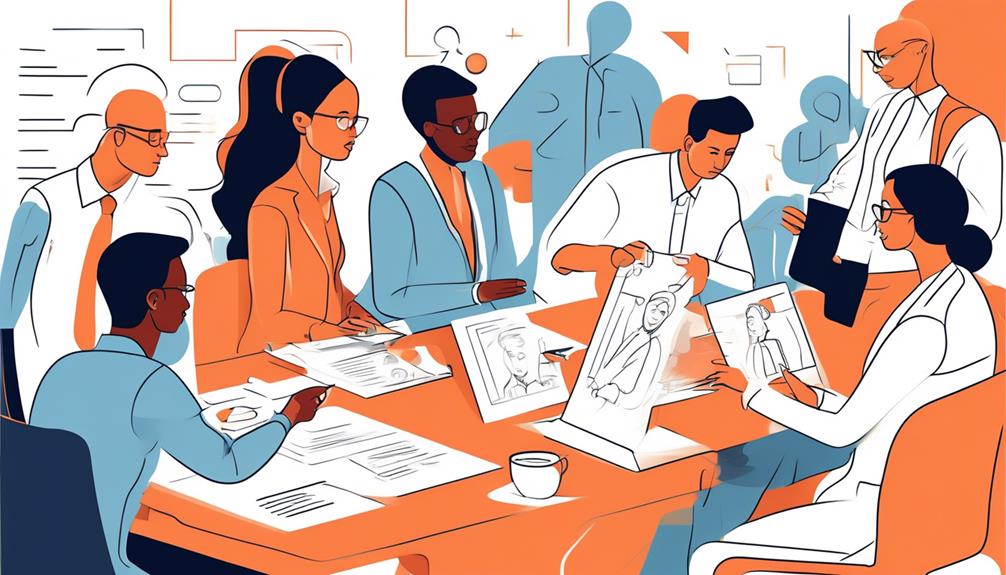
Using artificial intelligence (AI) to evaluate candidates provides a data-driven and objective approach to identify the most qualified individuals for a given position. AI-powered tools for candidate evaluation have revolutionized the hiring process, making it faster, more efficient, and less prone to bias. Here are four ways AI is transforming candidate evaluation:
- Resume screening: AI algorithms analyze resumes, identifying relevant skills, experience, and qualifications. This saves recruiters valuable time by automatically filtering out unqualified candidates.
- Video interviews: AI-powered video interview platforms use facial recognition and sentiment analysis to assess candidates' non-verbal cues and emotional responses. This helps recruiters gauge a candidate's communication skills and cultural fit.
- Skills assessments: AI-driven assessments evaluate candidates' technical skills through coding challenges, simulations, or online quizzes. This ensures a standardized and unbiased evaluation of candidates' abilities.
- Predictive analytics: AI algorithms analyze vast amounts of data from past hires to identify patterns and predict a candidate's potential success. This helps recruiters make informed decisions based on objective data rather than gut feelings.
Eliminating Unconscious Biases With AI
Eliminating unconscious biases in hiring processes is crucial for promoting fairness and diversity. AI can play a significant role in achieving this goal by detecting and mitigating biases that may exist in candidate evaluation. By leveraging advanced algorithms and machine learning techniques, AI can analyze vast amounts of data and identify patterns that may indicate biased decision-making. Implementing ethical AI practices, such as regularly auditing algorithms and ensuring transparency, is essential for building trust and ensuring that AI is used as a tool to promote equal opportunities in the hiring process.
AI for Bias Detection
By incorporating artificial intelligence (AI) into the hiring process, organizations can effectively identify and address unconscious biases that may exist, ensuring a more fair and equitable selection of candidates. AI algorithms can play a crucial role in bias detection, providing a systematic and objective approach to evaluating candidate profiles. Here are four ways AI can help detect biases in hiring practices:
- Resume analysis: AI algorithms can analyze resumes to identify potential biases, such as gender or ethnic background, and flag them for further review.
- Language processing: By analyzing the language used in job descriptions and interview transcripts, AI can detect biased language that may deter certain candidates from applying.
- Facial recognition: AI-powered facial recognition technology can help detect any biases that may occur during video interviews by analyzing facial expressions and providing objective feedback.
- Decision-making analysis: By analyzing historical hiring data, AI algorithms can identify patterns of bias in the decision-making process, allowing organizations to adjust their practices accordingly.
With the help of AI, organizations can take proactive measures to eliminate unconscious biases and create a more inclusive and diverse workforce, all while adding a touch of humor to the hiring process.
Fairness in Hiring
To ensure a more equitable hiring process, organizations can leverage the power of AI to address unconscious biases and promote fairness in candidate selection. Unconscious biases, which are deeply ingrained stereotypes or prejudices, can unintentionally influence hiring decisions and hinder diversity and inclusion efforts. By implementing AI-driven tools, organizations can mitigate these biases and create a more level playing field for all candidates.
One way AI can help eliminate unconscious bias is through blind resume screening. By removing personally identifiable information such as names, genders, and ethnicities from resumes, AI algorithms can focus solely on the qualifications and skills of the candidates, reducing the potential for bias.
Another approach is using natural language processing algorithms to analyze job descriptions and identify any biased language that may discourage certain groups from applying. AI can suggest alternative phrasing to make job postings more inclusive and attract a diverse pool of applicants.
Incorporating AI into the hiring process not only helps address unconscious biases but also improves diversity hiring by expanding the talent pool and ensuring fair evaluation of candidates based on their qualifications and capabilities.
| AI's Role in Fair Hiring | Benefits |
|---|---|
| Blind resume screening | Reduces bias and focuses on qualifications |
| Language analysis | Creates inclusive job postings |
| Broadens talent pool | Increases diversity in hiring |
| Fair evaluation | Considers qualifications and capabilities |
Ethical AI Practices
AI plays a crucial role in promoting ethical hiring practices by effectively reducing unconscious biases. By leveraging AI in the hiring process, you can address the ethical challenges associated with algorithmic biases. Here are four ways AI can help eliminate unconscious biases:
- Objective evaluation: AI algorithms can analyze candidate qualifications based on objective criteria, ensuring fair and unbiased assessments.
- Blind screening: AI can anonymize candidate information, removing identifying factors such as name, gender, or race, preventing any biases from influencing the selection process.
- Diverse training data: By using diverse datasets, AI models can learn from a wide range of examples, reducing the risk of perpetuating biased decision-making.
- Continuous monitoring: AI can continuously monitor and analyze hiring data to identify and address any potential biases, enabling organizations to refine their processes and ensure fairness in the long term.
With these ethical AI practices, you can create a more inclusive and unbiased hiring process while avoiding the pitfalls of algorithmic biases.
Implementing AI in HR Practices
The integration of artificial intelligence into HR practices presents an opportunity to revolutionize hiring processes and promote unbiased decision-making. Implementing AI algorithms and AI-driven recruitment methods can streamline and optimize the hiring process, making it more efficient and effective. AI can analyze resumes, job applications, and candidate profiles to identify the most qualified candidates based on objective criteria. This eliminates the potential for human bias or subjective judgment to influence hiring decisions.
AI algorithms can also be used to screen candidates based on specific job requirements and qualifications, saving HR professionals time and effort. By automating the initial screening process, AI can ensure that all candidates are given equal consideration, regardless of their personal characteristics or background.
Furthermore, AI can help HR professionals identify patterns and trends in candidate data, enabling them to make more informed decisions. For example, AI can analyze past hiring data to identify the traits and qualifications that are most predictive of success in a particular role. This can help HR professionals identify candidates who may not meet traditional criteria but possess qualities that are indicative of potential success.
Implementing AI in HR practices not only promotes unbiased decision-making but also improves the overall quality of hires. By leveraging AI algorithms and AI-driven recruitment methods, HR professionals can identify and attract the most qualified candidates, leading to better outcomes for both the organization and the candidates themselves. So, let AI be your hiring companion and let it revolutionize and optimize your HR practices!
Ensuring Fair and Equitable Hiring Processes

By ensuring fair and equitable hiring processes, organizations can maximize the benefits of implementing AI in HR practices while minimizing the potential for bias and discrimination. To achieve this, it is essential to conduct fairness assessments and implement bias mitigation strategies. Here are four key steps to ensure fair and unbiased hiring:
- Define clear criteria: Clearly outline the skills, qualifications, and experience required for each position. This helps eliminate subjective judgments and ensures that all candidates are evaluated based on relevant and objective criteria.
- Diverse data collection: Collect and analyze data from a wide range of sources to ensure a diverse pool of candidates. This helps prevent bias by considering a variety of perspectives and backgrounds.
- Regular monitoring and evaluation: Continuously monitor the AI system to identify any potential bias or discrimination, and regularly evaluate its performance. This allows organizations to proactively address any issues and make necessary adjustments to improve fairness.
- Human oversight and intervention: While AI can assist in the hiring process, human oversight is crucial to ensure fairness and mitigate any unintended biases. Human intervention can help interpret and contextualize the results provided by AI, ensuring a truly fair and equitable decision-making process.
Frequently Asked Questions
What Are Some Potential Risks or Drawbacks of Using AI in HR Practices?
Using AI in HR practices can have potential risks and drawbacks. Privacy concerns arise when personal data is collected and stored. Additionally, there is a reliance on biased data, which can perpetuate discrimination in hiring processes.
How Can Companies Ensure That Ai-Powered Tools for Candidate Evaluation Do Not Perpetuate Existing Biases?
To promote diversity and mitigate bias, you can ensure AI-powered candidate evaluation tools don't perpetuate existing biases by employing robust training data, conducting regular audits, and incorporating diverse perspectives in the development process.
Are There Any Legal Considerations or Regulations That Companies Need to Be Aware of When Implementing AI in Their Hiring Processes?
When implementing AI in your hiring processes, it's crucial to be aware of legal considerations and regulations. Ensure compliance with laws to avoid potential pitfalls and maximize the benefits of AI technology.
What Steps Can HR Professionals Take to GAIn Employee Buy-In and Address Potential Resistance or Concerns When Implementing AI in HR Practices?
Want to get employee buy-in and address concerns when implementing AI in HR? Start with open communication, emphasizing the benefits of AI in reducing bias and improving hiring practices. Incorporate change management strategies and provide training to ease the transition.
How Can Companies Measure and Evaluate the Effectiveness of AI in Promoting FAIr and Equitable Hiring Processes?
To measure effectiveness and evaluate impact, you can analyze key metrics like diversity of candidates interviewed and hired, time to hire, and employee retention rates. These insights will help you determine if AI is truly promoting fair and equitable hiring processes.